
UN General Assembly engagement approaching for CEO of Appley Bridge multi-national firm
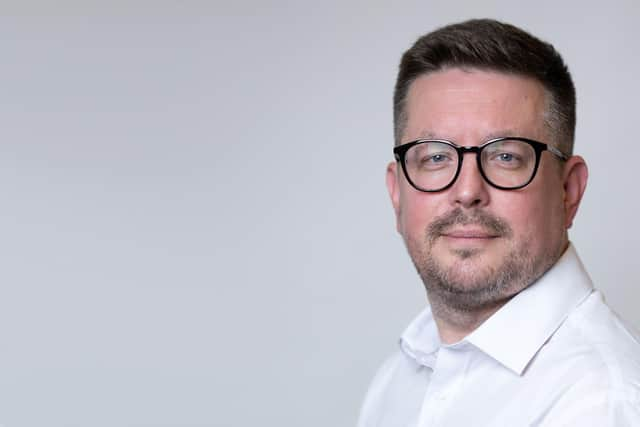
Paul Buck, CEO and founder of Appley Bridge-based EPIC Global Solutions, will help to shape universal approaches to gambling harm prevention on arguably the company's most high-profile platform to date, as he prepares for a guest speaker and 'thought-provoker' role at Tuesday's Better Gambling Forum in New York, part of the 80th United Nations General Assembly.
Buck founded EPIC in 2013 in response to his own pathological gambling addiction and has since grown the gambling harm prevention consultancy into a global entity, active on every continent, based at various locations in the Wigan borough during the past 12 years.
The company's international expertise in problem gambling sees Buck and other senior members of his team in regular demand for speaking roles at high-profile conferences and seminars. Tuesday's event, hosted at the Hard Rock Hotel in Manhattan, close to the UN's official headquarters, is an initiative of the Brain Capital Alliance at the UN Brain Economy Summit and seeks to better player protection worldwide, prompting ongoing discussion on safer gambling policies that are suitable for a modern, digitised world.
Speaking during a workshop entitled 'Prevention First – Literacy, Choice, and Detection', the EPIC CEO will be joined by Dean Hestermann of Caesars Entertainment Inc, Jamie Wiebe from Crown Resorts, and a long-standing partner of EPIC, Mindway AI's Rasmus Kjaergaard. The group will address the proposed Responsible Gambling Triple-P (RG3P) Framework pillars of 'Education, Informed Choice & Harm Prevention' and 'Risk Detection & Intervention'.

Developed by the Better Gambling Forum from a global review of existing standards and regulatory models, RG3P is a living tool designed to prompt dialogue, and as such, Paul's panel will explore universal and targeted approaches to prevention across digital and land-based settings.
It will also look to define scalable practices and policies that reduce harm at the earliest point possible, with proposals from the various panels being debated in workshop format by an audience of around 100 influential executives from gambling-related sectors around the world, eventually leading to the consolidation of the RG3P framework and recommendations.
"The aim is for us to be thought-provokers for an invited audience who all have roles around the world that allow them to influence gambling policy," explained Paul.
"They'll be encouraged to interrogate our thoughts, ask questions, and look to come up with their own conclusions on preventing gambling-related harm.
"I want to make two key points that align with how EPIC operate. The first is that responsible gambling and prevention needs to be given absolutely the same - if not more - focus than treatment, because what's the point in pulling people out of the river when you could stop them falling into it upstream in the first place?
"The other point is to make sure that lived experience is involved in every single part of that story, because it's a very illogical addiction. With drugs, alcohol, or smoking, you can understand why people become addicted to it because you're putting a substance into your body and you become reliant on it, whereas gambling is such a behavioural and psychological addiction.
"Why can 97% of people do it, stay in control, and use it as an entertainment or pleasurable pursuit, but two or three percent really get into some serious problems around relationships, finances, crime, mental health, and so on?
"Academia plays a part in understanding it, but who better to explain it than those people who have been through all that and come out the other side? They're such an important voice when it comes to any kind of policy-making because they understand it more than anybody else."
Asked about his aspirations for successful post-event outcomes, Paul added: "The new RG3P framework hasn't been widely available prior to this event, but there are going to be some big hitters in the room there to discuss how it could work, so we trust that our contribution will provoke some very interesting new discussion on how it could all come together as a guide to use around the world.
"My hope is to change mindsets: getting the audience to turn the telescope around on responsible gambling and see that harm prevention is actually an integral part of a sustainable and successful industry."