
Graham Workman: Dragons and Damsels
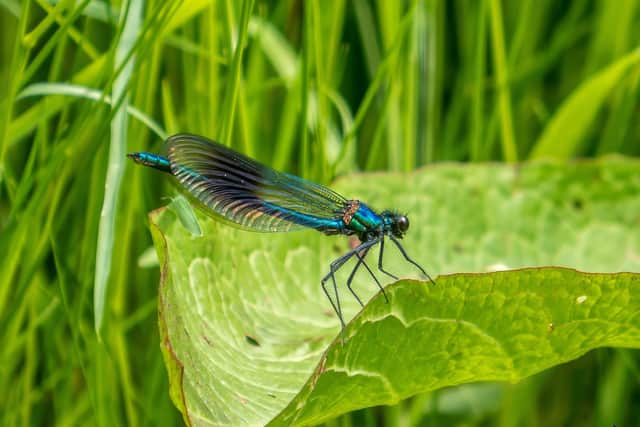
The sun had tempted these little jewels out.
There’s always a lull in birding come summer, most birds have bred and feeding young whilst being a tad secretive so it’s good to have another interest as well as birds.
It's easy to forget how absolutely fascinating some invertebrates actually are. One of my favourite groups are 'Odonata' or more simply put Dragonflies and Damselflies. The name Odonata, derived from the Greek "odonto-", meaning tooth, which refers to the strong teeth found on the mandibles of most adults.
The ‘Dragons and Damsels are the aerial acrobats of the insect world, and are skilful hunters with multifaceted eyes; the powerful wings of the larger species enable them to fly at speeds of up to 36 kilometres per hour. This makes catching them whilst they are still or resting, usually waiting to ambush any other unsuspecting fly-by insect that comes close enough to attack.

Now what is amazing is the actual number that are here in the UK! Would you believe there are actually 57 species of dragonflies and damselflies, collectively known as Odonata, in the UK. This includes 36 dragonfly species and 21 damselfly species. Now 42 of these species are resident and breed here, while the remaining are either probably extinct or just occasional rare visitors.
Their eyesight is incredible so getting decent photographs of them can be a real challenge, especially on warm sunny days when they are hunting for food!
My all time favourite is a Damselfly named the Banded Demoiselle – in my opinion a real beauty, a fairly large metallic damselfly with fluttering, butterfly-like wings. The male, which my photo is of, has a metallic blue body with broad dark blue-black spots across outer parts of wings. The female just as beautiful but more subtle with a less ‘blingy’ metallic green body with translucent pale green wings.
So on Monday we were out at our local wetland site on the hunt for dragonflies, damselflies, butterflies and bees.
Funnily enough it was a male Banded Demoiselle we first caught site of looking superb with the bright sunshine making his wings sparkle. We watched him for a while patrolling the tall Phragmites reed looking for his lunch. We had a really interesting day with quite a few damselflies, butterflies and bees – how many types of bees do you think there are in Britain? Twenty – thirty - actually we have around 270 species of bee, just under 250 of which are solitary bees (Billy no mate bees LOL). These bees can be amazingly effective pollinators and as the name suggests tend not to live in colonies like bumblebees and honey bees. Might as well finish off with the butterflies then - we have 59 species of butterflies – 57 resident species and two regular migrants – the Painted Lady and Clouded Yellow.
So it can be a busy summer if you’re out looking to see how many you can find!!