
A fifth of Wigan pupils are persistently absent from school
A fifth of pupils in Wigan were persistently absent from school last year, new figures show.
The Association of School and College Leaders said "far too many" children are still missing out on significant parts of their education.
Figures from the Department for Education show the rate of pupils absent from 10 per cent or more of possible sessions in Wigan was 19.8 per cent in the 2023-24 academic year – down from 20.2 per cent the year before.
Meanwhile, 1.9 per cent were "severely absent", missing 50 per cent or more of sessions.
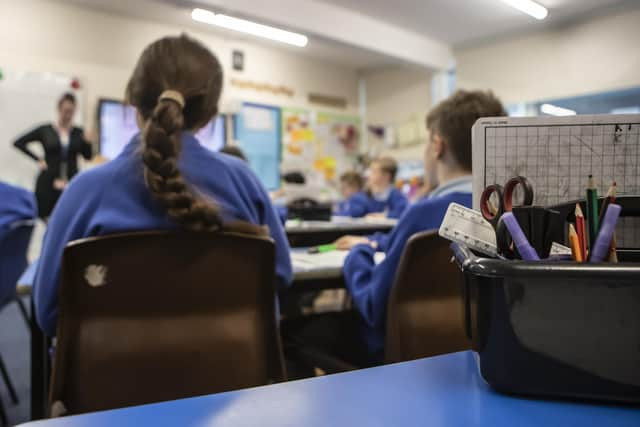

Each day has two sessions, morning and afternoon.
Across England, the rate of persistently absent students improved slightly from 21.2 per cent in 2022-23 to 20 per cent last year.
However, 2.3 per cent were severely absent across the country – the highest level since records began in 2006-07.
Pepe Di'Iasio, general secretary of the ASCL, said: "It is clear that there are still far too many children missing out on significant portions of their education.
"Although there are signs of improvement in some areas, the rates of persistent and severe absence remain a real concern."
He added: "We need to accept that schools cannot solve this issue on their own and must set out clear expectations and plans for parents, government, schools and other agencies to work together in the best interests of young people.
"This must be backed with funding to ensure there is sufficient capacity in the system for all children to get any additional support they require to be able to attend school on a regular basis.
"Without investing in a strategic response to this issue, it is difficult to see how attendance rates are going to change at the scale required."
The former Conservative government announced plans to hike fines for pupil absences in February last year, to boost attendance since the pandemic.
In September, school absence fines in England rose from £60 to £80, and a parent who receives a second fine for the same child within a three-year period will now receive a £160 fine.
The latest DfE attendance data covers the last academic year before fines for unauthorised absences were increased.
Paul Whiteman, general secretary of school leaders' union NAHT, said: "These figures make it clear that the current approach to solving absence just isn’t working.
"Simply increasing the pressure on schools, without providing any additional resource for them to tackle the issue, is fruitless.
"The only way to actually make progress is to look at the causes of absence – from parental attitude changes, holiday pricing, and children and young people’s experiences of mental health and poverty."
A DfE spokesperson said: "The Government inherited a broken system, with children and families facing poor outcomes and barriers to opportunity. The case for tackling the epidemic of school absence could not be clearer: improved grades, higher wages, better life chances.
"Tackling this issue is everyone's responsibility – government, schools, parents, and children – and we need a national effort to get our kids back in the classroom.
"We have made some encouraging progress this academic year, but more must be done and this month we have brought together ministers and over 2,000 school leaders up and down the country to share best practice to drive up attendance."