
Health Column: September is Sepsis Awareness Month
Shauna Keggin, Sepsis Lead Nurse, Wrightington, Wigan and Leigh Teaching Hospitals NHS Foundation Trust
In the UK, sepsis affects 245,000 people each year, claiming the lives of 48,000 people. This life-threatening condition, which occurs when the body’s response to an infection causes it to injure its own tissues and organs, can cause organ failure and shock and, if not recognised and treated early, can be fatal.
September is Sepsis Awareness Month, with World Sepsis Day on September 13, and WWL has been promoting sepsis recognition and management, a high priority for the Trust, particularly so over the past two years.
Through improving training and educational initiatives, expanding the sepsis service to include a dedicated Acute Kidney Injury/Sepsis Nurse and a medical lead leading to improved systems and processes, the Trust saw a reduction in mortality rates related to sepsis.
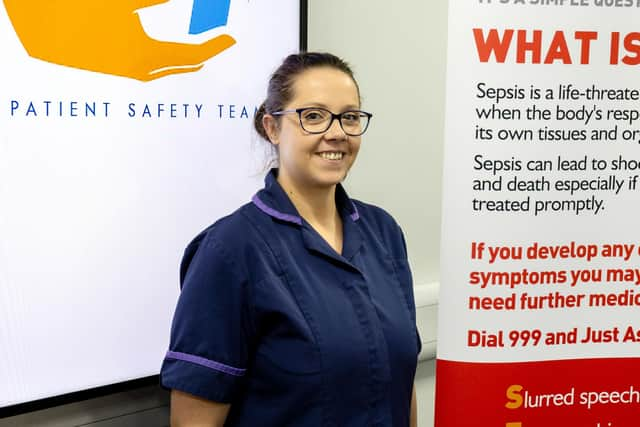

Due to this continuous improvement work and those patients presenting with suspected sepsis being recognised early and treated swiftly, our Sepsis Team was shortlisted for a Health Service Journal Award in 2024 in the of “Deteriorating Patients and Rapid Response Initiative of The Year” category, and received recognition from the UK Sepsis Trust Founder & Joint CEO, Dr Ron Daniels.
Symptoms to look out for in adults (UK Sepsis Trust website)
- Slurred speech or confusion
- Extreme shivering or muscle pain
- Passing no urine (in a day)
- Severe breathlessness
- It feels like your going to die
- Skin mottled or discoloured
Signs to look out for in children (UK Sepsis Trust website)
- Fast breathing
- “Fit” or convulsions
- Look mottled, bluish or pale – on darker pigmented skin, colour changes may show on the inside of the forearms or palms
- Have a non-fading rash
- Lethargy or difficult to wake
- Feel abnormally cold to touch
For children under five symptoms could include repeated vomiting, not feeding and/or not passing urine for 12 hours. Should any of these symptoms be present, seek medical attention via NHS 111, 999 or visit A&E.
Life-saving treatment for sepsis is relatively straightforward, especially if it is recognised early enough. When early intervention is delivered within a 60 minute timeframe, it has been observed to improve outcomes for people with sepsis. Bloods tests and investigations are carried out to determine the source of infection and treated using intravenous antibiotics and fluids, as well as ongoing monitoring.
Throughout September, WWL staff are being asked to support with step challenges, sepsis-themed skill stations and workshops, sharing of patient stories and our Sepsis Team will be visiting community sites to speak to both clinical staff and the public. Not all infections will cause a person to develop sepsis, however, sepsis can be triggered by any infection including urine infections, pneumonias and wound infections.
Anyone is at risk of developing sepsis, although some people do have a greater risk. These people include babies (under one year), adults over 75 and/or with co-morbidities, people who have impaired immune systems because of illness of drugs, and people who are pregnant.
Sepsis does not discriminate and will always start with an infection and if not treated timely it can be fatal. It requires prompt medical interventions to support effective management and improve patient outcomes. Knowing the signs and symptoms of sepsis can help save lives so if you are concerned for yourself or a loved one, please seen medical attention promptly and don’t be shy about asking if it could this be sepsis.