
Wigan health worker speaks out as efforts are made to help women with endometriosis
A Wigan health worker has shared her experiences of being diagnosed with endometriosis, as NHS leaders focus on helping women with the condition.
Women living with endometriosis from across the region met NHS doctors and nurses in March last year to discuss what was needed to improve the care and treatment of women living with the condition.
It causes tissue like the lining of the womb to grow in other places in the body, like the ovaries, fallopian tubes and lungs.
Clinical teams began to look at what was working well in individual hospitals and in general practice and how that could be used by others.

They also looked at the challenges faced by hospitals and doctors surgeries, such as what could be done to reduce long waiting lists and support women while they wait.
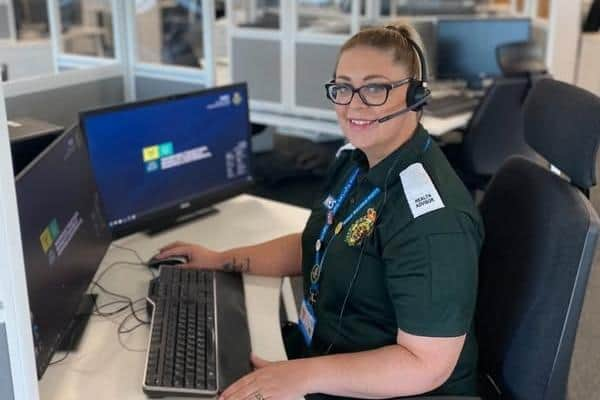
Alison Greenwood, from Wigan, is an NHS 111 health advisor at North West Ambulance Service NHS Trust and was diagnosed with endometriosis at the age of 21.
Her experiences highlight why it is important to support doctors and nurses to recognise the signs and symptoms of endometriosis.
On average it can take up to eight years from the onset of symptoms to get a diagnosis and although it was not that long for Alison, it was still difficult to get a confirmed diagnosis.
She said: “I was experiencing excruciating period pains and abdominal pains during different times of the month, so I did some research myself and decided to ask my GP if it was endometriosis.
“My symptoms were disregarded numerous times. I even attended the emergency department once as my pain was so bad but eventually, I was referred to gynaecology. They arranged for me to have tests to find out what was going on.
"Following this, it was found that I did have endometriosis and I was offered diathermy – a procedure which uses electric currents to generate heat in layers of your skin – to remove the endometriosis from internal organs.”
Following her experience, Alison advocates for more to be done for endometriosis sufferers.
She said: “I feel it is so important to raise awareness of this condition. Many women are still misdiagnosed and not listened to regarding their symptoms. I know people who have had this condition and have faced difficulties in getting the correct support.
"If I could give one piece of advice to anyone with endometriosis, it’d be to push for the treatment you need – it is a condition that is very much overlooked.”
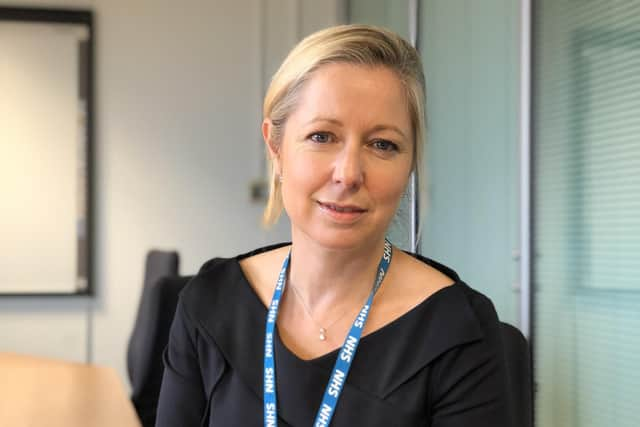
Dr Paula Cowan, a GP with a special interest in gynaecology and regional medical director for primary care at NHS England – North West, has spearheaded work to improve the care and diagnosis of women with endometriosis.
She said a number of improvements had been put in place since the NHS in the region started focused work to tackle the issue, including the development of a clear clinical pathway for people who go to general practice with symptoms that could be due to endometriosis.
This means doctors are supported to make assessments and decisions about potential treatment more quickly and with the support of specialists.
Dr Cowan said: “Endometriosis can be very difficult to diagnose as the symptoms can sometimes be caused by other conditions. The new pathway helps support doctors to refer patients to appropriate services in hospitals more quickly, making the experience better for patients.”
She added: “I’m incredibly proud of what has been achieved since we started this work. Waiting lists have gone down but there is still work to do.”
The group has also considered the inequalities in endometriosis diagnosis.
In December, the Office for National Statistics published the first population level study of its kind to explore characteristics of women with an endometriosis diagnosis in NHS hospitals in England.
It found there were significant sociodemographic differences in the likelihood of endometriosis diagnosis, meaning in places of high deprivation, like the North West, it is likely women will be waiting longer for a diagnosis.
Understanding the disproportionate impact this would have on patients in the region, given the historic and growing social and economic challenges, public health officials have worked alongside Dr Cowan and other NHS professionals to look at the care provided to patients waiting for a diagnosis or receiving care for endometriosis through this “lens of inequality”.
With March being Endometriosis Action Month, and with one in 10 women in the UK affected by endometriosis, the NHS in the North West is using the opportunity to raise more awareness of the symptoms and prevention opportunities.
Dr Melanie Roche, a consultant in public health for NHS England – North West who has worked closely with Dr Cowan and the team, said: “Endometriosis is a long-term health condition that can have wide-ranging impacts on a woman’s health and quality of life, both physically and emotionally, but there are proactive things that can be done to help prevent ill health.
"Research suggests that women with endometriosis have an increased risk of developing cardiovascular disease, which includes conditions like heart disease and stroke. In the North West region, we have the highest rates of women who die early from cardiovascular disease, so preventative ways to help keep your heart healthy are important to lower the risk. These include stopping smoking, achieving a healthy weight, being physically active and taking up the offer of an NHS health check.
"As well as the physical impacts of the condition, endometriosis can impact mental health and well-being , so seeking support can be invaluable. If you feel able to, speaking to loved ones and friends can be a great comfort and support, but the NHS can support as well.”
Dr Cowan added: “The NHS is here for you, be that to offer help for physical problems, but also for mental health support. Speak to your GP or you can self-refer for talking therapies.”