
Wigan hospitals pay out £5m for surgical errors
Errors during operations at Wigan hospitals have led to more than £5m being paid to patients in the last five years.
When mistakes occur during surgery, patients can be left in unnecessary pain, giving them the option to lodge a claim, and NHS trusts across the country have had to pay out millions over the past few years.
Figures obtained by Medical Negligence Assist found that, since 2019, Wrightington, Wigan and Leigh NHS Foundation Trust (WWL) has had to pay out over £5m to patients who have lodged claims following an op which didn’t go ideally.
Medical negligence solicitor for JF Law, Gareth Lloyd, said: “The chances of a patient suffering a surgical error are remote, yet every operation carries with it a number of risks, and if something goes wrong, there can be lifelong consequences.”
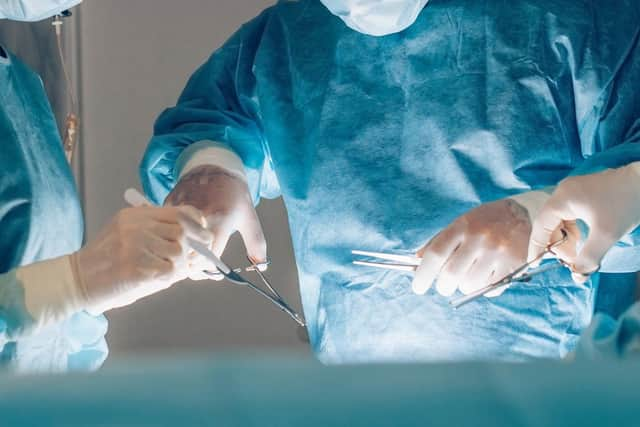

Surgical errors are unexpected mistakes or accidents that occur during procedures and they are classed as "never events” as they are errors that should not have happened in surgery.
These errors can have significant physical, emotional and financial consequences for patients as they may require additional treatment and suffer even more pain.
A person affected by a surgery error can often make a surgical negligence claim against the NHS, where NHS Resolution will pay for their compensation.
This is a government scheme paid for by NHS Trusts that acts as an insurance policy and pays for NHS negligence claims.
From 2019 to 2024, 107 claims regarding surgical errors were lodged against WWL, 80 of which were settled.
In 2019/2020, 19 claims were made against the trust, the joint-highest number of claims over the past five years.
A year later, this number fell to 10 claims.
The service has experienced a drop in claims over the past year compared to 2022/23, with a total of 13.
Common errors can include foreign objects left in the body, such as surgical instruments and cleaning materials, as well as "wrong site surgery”, where patients can be put at a greater risk of infection and additional scarring.
Every year, 12,000 medicolegal claims are brought against the NHS in England at a cost of £8bn - 6.7 per cent of the NHS England budget. In 1,000 of these claims, the primary speciality is general surgery.
Moreover, general surgery is not the only type of surgery in which errors can occur. NHS Resolution also tracks claims for neuro, oral and maxillofacial, orthopaedic, plastic, and vascular surgeries.
Medical Negligence Assist obtained figures on how much WWL has paid out to successful surgical error claims since 2019.
Over the past five years, the trust has paid out a total of £5,551,108, with the highest amount coming in 2020/21 standing at £1,832,286.
According to figures gathered by NHS Resolution, 11,700 claims have been lodged against NHS trusts around the country for surgery errors in the past five years, with 8,753 of these claims being settled.
The government department also revealed the most frequent causes of surgery errors as well as the injuries that resulted from them.
The most common causes for surgical error claims were failures/delays for treatment, which was lodged 1,999 times, and the most common surgery error injury was unnecessary pain, seeing 1,990 claims submitted.
Mr Lloyd said: "Although they appear on the surface to be straightforward cases, surgical errors are much more complex than that and can cover a number of situations and outcomes.
“For example, an operation to remove your gallbladder carries with it risks of damage to the bile duct, blood vessels, bowel and intestines. If one of these complications happens during the operation, nine times out of ten, there is no case, however, that doesn’t mean that there is no case at all, it just makes it more difficult to prove.
“I once had a case involving a patient undergoing a gallbladder removal, and during the operation, one of the veins in his abdomen was damaged, which is a known risk and therefore wasn’t seen as a surgical error.
“However, when I got the medical records, it transpired that the performing surgeon had completely severed the client's hepatic artery, which isn’t a known complication, hence a successful case.”
WWL medical director Prof Sanjay Arya said: “Patient safety is our top priority, and at WWL we continually strive to ensure that surgical procedures are performed to the highest standard.
“We are committed to transparency and when things do go wrong, we work hard with patients to support them and understand what lessons we can learn to improve our services in the future.
“If patients have concerns about the care they have received from us we would urge them to contact our Patient Advise and Liaison Service via email on [email protected] or 01942 822376 so we can provide them with any support they need.”
Last year Wigan Today revealed that WWL paid out more than £250,000 in damages for gynaecology medical negligence claims lodged against it in the last five years.
Researc showed it had 19 claims and incidents of gynaecology-related medical negligence reported to NHS Resolution, the legal arm of the NHS, since 2019.
The findings came amid a damning new report from the Royal College of Obstetricians and Gynaecologists which revealed that women were being left in “debilitating” pain for years with more than 760,0000 on the waiting list for appointments due to a gynaecology care “crisis.”
Medical Negligence Assist offers support to patients who may have suffered from a surgical error and can see if they have grounds to submit a claim.
They operate a 24-hour helpline and claim online form, which you can access on their website.