
Three Wigan people killed by the same mystery poison
Fears have been voiced that more people could die from an imported poison, ordered from a suicide website, that has claimed three Wigan people’s lives.
The toxin, which is not being identified for fear of copycat tragedies, is known to have killed at least eight people in the area covered by Manchester West senior coroner Timothy Brennand, including Wigan borough.
This “cluster” of fatalities was revealed in eight “prevention of future death” reports issued by Mr Brennand who voices concerns that guidelines are not strict enough.
Over a year, police have traced 45 people in the UK and Europe who have died after taking the substance, defined only as a “food preservative and reportable explosives precursor” and another 40 who bought it intending to end their own lives.
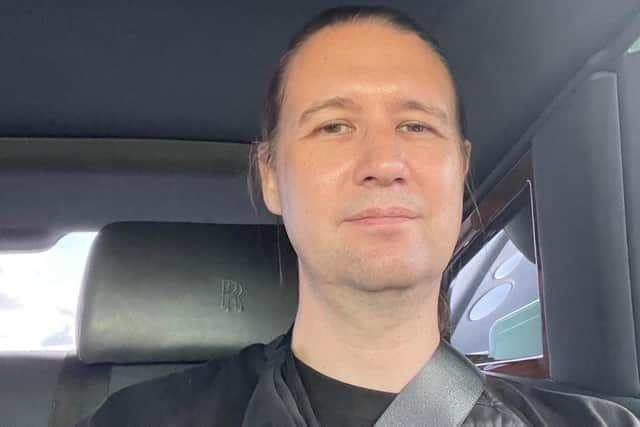

In Wigan, three deaths have been attributed to the poison: The inquest into the death of 45-year-old Andrew Brown, from Shevington, heard the poison had been “stockpiled” at his home address in three separate purchases over the course of six months.
The verdict was deliberate ingestion although the intentions of Mr Brown, who had been facing domestic difficulties, were unclear.
Kelly Walsh, from Atherton, was also 45 when she took her life using the substance which she had purchased from an “internet-based supplier in Lithuania.”
Samuel Dickenson, 33, died at his Leigh home after buying a “suicide pack” online which included the toxin.
Mr Brennand’s report to the Home Office warns that a “risk that future deaths could occur unless action is taken.”
He added: "The published guidance...does not give specific guidance or suggested training to sellers, particularly [REDACTED] acquired by members of the public, particularly over ‘online marketplaces’ in circumstances of the purchase on a ‘one off’ basis for the means of self-harming.
“Whilst there is a legal duty on persons selling this substance to report ‘suspicious’ transactions within 24 hours to the Home Office, the purchase of small quantities is being presumed to be connected to the many legitimate uses of the substance (such as food preservation, fertilizer etc) rather than in fact, being evaluated as a member of the public seeking purchase of modest quantities used as their chosen means by which to end life.”
For confidential support, Samaritans can be contacted for free around the clock 365 days a year on 116 123.