
Work on a flood defence system in Wigan can progress thanks to £329k from the Environment Agency
More than £300,000 has been secured for the next step of work to prevent a repeat of devastating flooding in Wigan.
The Environment Agency has announced it will invest £1.4 billion nationally in flood defences in 2026-27, part of the largest flood programme in England's history.
That will include 60 new and upgraded schemes aimed at better protecting thousands of homes and businesses in the North West.
A total of £329,000 is going to the Hindley Group Project, which is looking at flood management in Hindley, Abram and Platt Bridge.
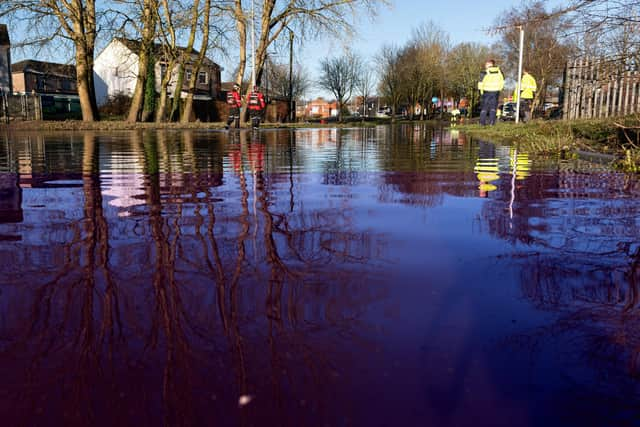

It follows severe flooding on New Year’s Day in 2025 which affected many homes and businesses.
Residents were forced to find temporary accommodation and were left with huge clean-up bills, especially as many properties had no flood insurance after previous incidents.
Makerfield MP Josh Simons said: "The New Year's Day floods in 2025 were devastating for the people impacted. That's why I promised to do everything in my power to address the causes of flooding in the area.
“I welcome this money, which is an important first step to ensuring the Environment Agency can deliver on the long-term flood defence system our community desperately needs."
The Environment Agency is currently investigating and developing options to reduce flood risk from Hey and Borsdane brooks.
Options being compared are:
- Channel improvements: removing obstructions like the footbridge to reduce flooding at Platt Lane, though that could cause flooding further downstream and would only work in combination with other options.
- Flood storage: a flood storage reservoir in Aspull that would remain empty until needed. An embankment would be built across the river and water would continue to flow through it in a tunnel. As the river flow increases, the tunnel would restrict the flow and the area behind the embankment would flood, reducing flooding downstream.
- Walls: walls could be built along the riverbank to keep the river in its channel.
- Walls and flood storage: the main reduction in flooding would come from the storage reservoir, but this could be combined with a small number of walls to further reduce the flood risk.
- Property level resilience: protecting houses with flood-proof doors, covers for air bricks and pumps etc.
- Natural flood management: this seeks to mimic nature by slowing the flow of water through fields so rain does not enter the river all at once, causing high levels. It usually comprises features such as ponds, tree planting, embankments across fields or leaky dams made of logs across a stream. These can be effective on their own, but to make a significant impact on flooding there would also need to be walls or more engineered storage.
The option considered best to reduce flood risk will be identified in the spring and a consultation will be held, before the “preferred” option is selected in the autumn.
It is then expected to take around two years for detailed designs to be drawn up, ground investigations carried out, funding secured and planning permission obtained.
It is hoped construction would begin in 2030 and take two to three years.
In the meantime, natural flood management work will take place this summer at Low Hall Flash and in Victoria Fields, near HMP Hindley.
These sites are upstream of Platt Bridge and Abram, so it will reduce flood risk in these areas.