
The tragic death of a man in Wigan has sparked concerns about the lack of mental health first aid refresher training for police
A coroner has written to police with his concerns after a man was found fatally injured outside his Wigan flat just hours after being taken home by officers.
Area coroner Michael Pemberton issued a Prevention of Future Deaths report highlighting a lack of mental health first aid refresher training for officers employed by Greater Manchester Police.
It came after he presided over an inquest at Bolton Coroner’s Court looking into the circumstances surrounding the death of Ruslans Burkevics.
The 33-year-old was found outside his flat at Boyswell House, in Scholes, on Wednesday, January 7, after what the coroner described as “having likely experienced an unwitnessed fall from an open 12th-floor bedroom window”.
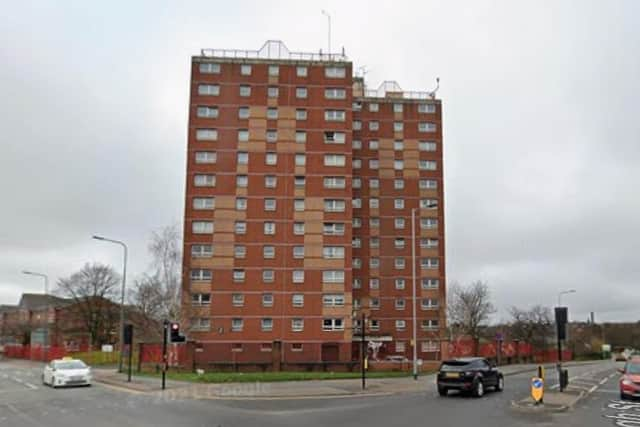

He had suffered multiple injuries and was taken to Wigan Infirmary, but he could not be saved.
Mr Pemberton wrote: “He had a history of self-harm and drug-induced psychosis, but there was insufficient evidence to determine the precise circumstances of the fall from height.
“He had contact with officers from Greater Manchester Police the evening before he was discovered on the ground outside an open window of his flat. He had been escorted home by officers with his agreement after being reported to have been running into traffic in the locality. He was taken to his flat at around 10.55pm on January 6, 2025.”
The inquest ended with a narrative conclusion, stating Mr Burkevics died “as a consequence of multiple injuries sustained in a fall from height, the exact circumstances of which were not directly witnessed and cannot be ascertained on the available evidence”.
Mr Pemberton had some concerns during the inquest and decided to highlight them to the police, as he believed there is a risk other people could die if action is not taken.
He said police officers were in contact with Mr Burkevics the night before he died, but there was “no causative or contributory link established on the evidence and officers’ actions the previous evening were appropriate”.
Mr Burkevics had a history of mental health difficulties and substance use, which contributed to episodes of mental health crisis, and police had previously used powers under the Mental Health Act to take him to a safe place where his mental health needs could be assessed.
Mr Pemberton wrote: “It was reflected in evidence that whilst frontline officers must receive regular refresher training on first aid, no such provision for mental health first aid training is currently being provided, on a regular and refreshing basis. There was evidence that no direct training on mental health is provided apart from initial training.
"Mental health may be a topic within other qualifications and development courses as a peripheral issue of that subject, but no dedicated mental health first aid type refresher is provided at present.”
He told GMP that he believed action should be taken and asked for the force to respond to his report in 56 days, with “details of action taken or proposed to be taken, setting out the timetable for action. Otherwise you must explain why no action is proposed.”