
Nanny Diaries: Child poverty
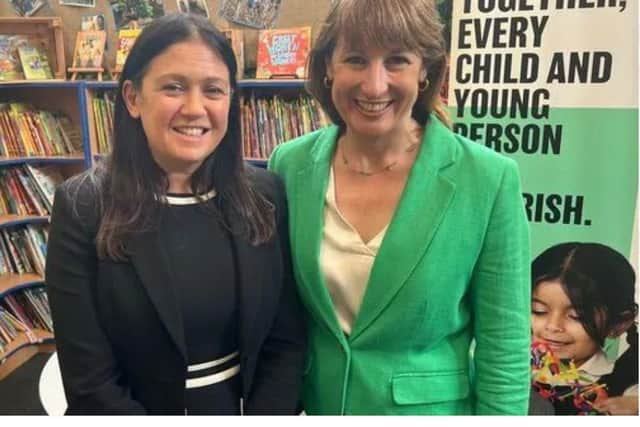
Recently, the current Chancellor attended a local school to launch a £500 million fund for vulnerable children.
The Better Futures Fund will support up to 200,000 children and their families over the next ten years, by bringing government, local communities, charities, social enterprises, investors, and philanthropists together to give children a brighter future.
The fact is, more than four million children in Britain are growing up in poverty. That’s around one in four, a shocking figure in one of the richest countries in the world.
These are not just numbers. They’re little lives. They’re little people with futures where anything should be possible.

“Child poverty” means growing up in a household that struggles to meet essential needs like food, heating, clothing, and housing. It’s not just about going without treats, it’s about children facing daily hardship and starting life all ready at a disadvantage. The effects are devastating: poorer health, physical and mental, lower educational achievement, more social exclusion, and fewer chances of a secure, happy future. For too many, they’re in a never ending circle of poverty that passes down to generations.
It’s 2025. This should NOT be happening in this country.
Yet it is.
The reasons are complex yet clear
A lot of the challenge is a lack of adequate education, as a result, parents are trapped in low-paid or insecure work that doesn’t cover rising living costs. Rents and bills have soared in recent years. Changes to benefits and support for families have left many worse off, especially single parents, disabled families, and those with more than two children.
Where you grow up matters too, some regions, like our own, have much higher rates of poverty than others.
The good news is that child poverty is not inevitable. When governments made it a priority in the past, rates fell significantly.
They can do it again.
The governments latest fund launched last week Is the World’s largest fund of its kind.
It will boost pupil achievement and could fund programmes to reduce reoffending or provide specialist workers for children struggling with exclusion, mental health or crime.
It could fund providing support in schools to improve attendance, behaviour and overall achievement of pupils, intervening to give children the opportunity of learning in their own way.
It could free them from a life of crime, and offering employment support to secure their futures.
If we care about fairness, and about our children’s future, we cannot ignore child poverty any longer.
Every child deserves a decent start in life, no matter where they are born or how much their parents earn
It’s time to act.