
How an anaesthesiologist at Wigan's hospital trust found purpose through wildlife photography
A Wigan-based anaesthesiologist is gaining attention for his work behind the camera, combining a demanding medical career with wildlife photography that supports conservation efforts around the world.
Dr Arun Mohanraj, who has worked as an anaesthesiologist for 17 years and as a consultant for more than a decade, has travelled to over 37 countries documenting wildlife.
His photography has been exhibited internationally in countries such as France and Singapore. He has also published multiple books.
Dr Mohanraj first explored art while at university, working with oils and pastels before medical training took priority.
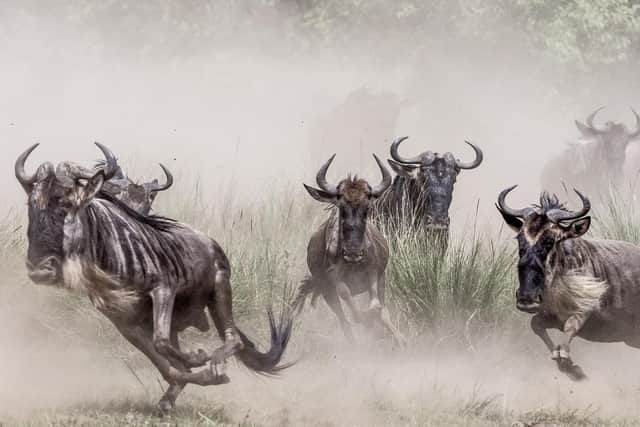

After nearly a decade away from creative work, he returned to visual art through photography, joining a local photography club where he learned alongside professional and award-winning photographers.
He said: “I would say I was an artist, but I used to do and try and sell pastels and oils in my uni days.
"So, then there was a big gap for about 10 years because career, training as a doctor, all of that was taken as a priority, so for almost 10 years, I couldn't do any of that to a bigger extent.
“After that, when I did settle down a bit more into a stable doctor life, to some extent you can say it's a bit of a mid-life crisis, but more to say it's a distress from work.
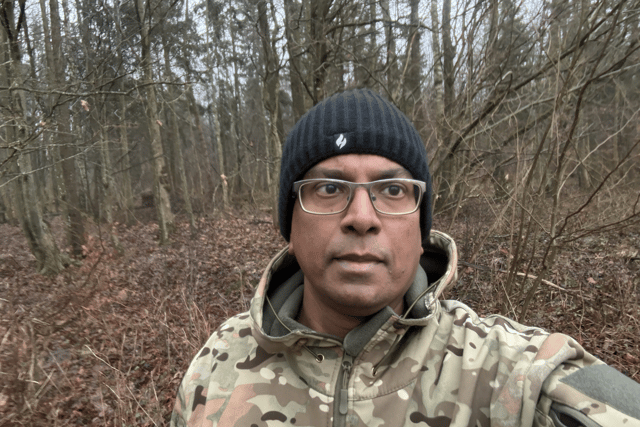
"And painting takes time. I'm currently doing a painting that's going to take me three and a half months to finish which means that to do something to be stressed on a shorter period of time with the given time we have away from work, so I started doing photography.
“I joined Chorley Photography Club as a learner and there were quite a few great photographers in the club that includes a photographer who is the official photographer for Manchester United.
“I started on all different genres and then I realised my passion lies in wildlife photography and travel.
"And travel is, by essence for me, my biggest interest so, we married quite well together, doing travelling and photography.”
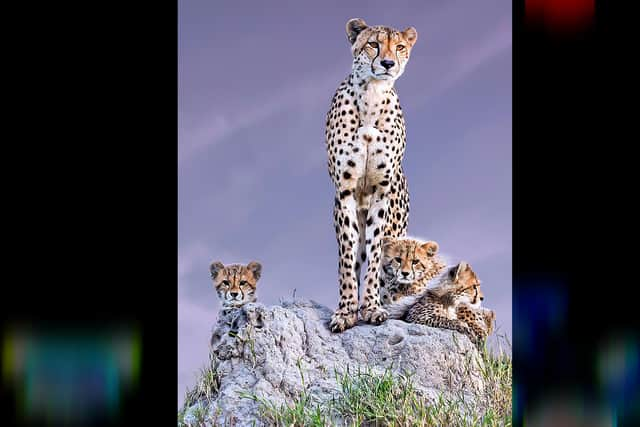
Raised in India, Dr Mohanraj grew up rescuing stray animals and spending time in natural environments, experiences he says shaped both his personal values and creative interests.
Dr Mohanraj said: I'll tell you, in a joke I used to say I'm a little bit more good with animals than people.
“Maybe I shouldn’t say that as a doctor, but actually I love wildlife. We always rescue kittens and dogs back home when I was in India many years ago.
"And in terms of the genre of photography, even my paintings, most of them depict wildlife and landscape photography.
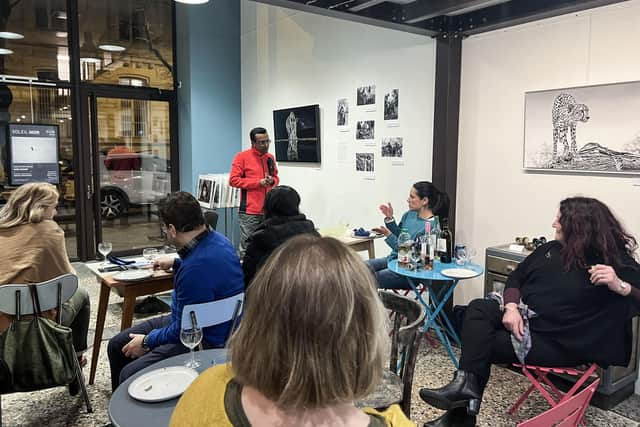
That was my primary interest. So it felt quite, it married quite well. Because of the travel I do, there's two options.
Either you do travel street photography or you do wildlife photography.
I like to stay away from big cities and crowded population. My passion is in camping and forests.
"So, by default, I started with wildlife photography.”
Unlike street or action photography, wildlife photography often involves long periods of waiting with no guarantee of success.
Dr Mohanraj says it teaches you patience and has often had to wait long periods of time to not see any animals.
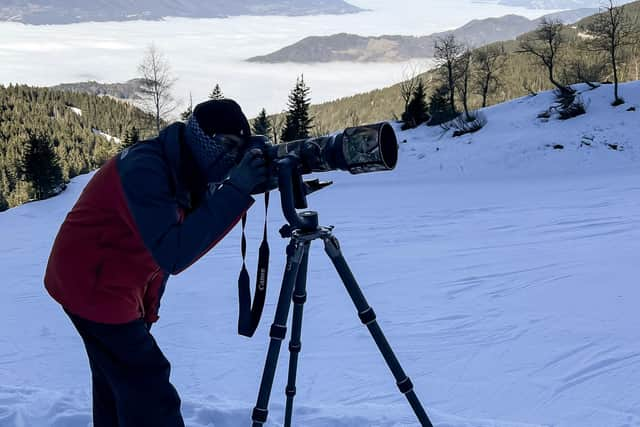
He added: “Wildlife photography, unlike fast action, as in street photography, teaches you patience. To calm your nerves.
“Because sometimes you can sit in a bird hide for more than 24 hours and not see the bird you're looking for for the whole 24 hours. I've done that as well as an experience in the past.
"I was a type of slightly alpha personality. I always rush which comes with my territory as well, being an intensive care doctor in the past.
Which means this taught me absolutely to calm my nerves down.
"Because this is the antithesis of my work to some extent.
"That being from a stressful work environment and being busy, makes me sit in a bird hide for nearly 12-15 hours.
“And it's a potluck. You may not see the bird. I've stayed in three days, then not again looking for a kingfisher.
“And we didn't see any for the whole three days. And I came back with no images, that teaches you that you don't get stressed with it.
“If you get to see the image, I personally very strongly believe it's a gift and that's not one of the photographs.
“So if I get one good image in my trip for 15 days, I call that a good trip. That's my philosophy.
"If I get more than one, I call myself lucky. If I get more than two, I'm ecstatic.”
Dr Mohanraj says South Africa and Africa are his favourite places to travel to, where he also takes part in charity work.
He travels solo twice a year but sometimes combines family trips with taking pictures.
He said his 11-year-old son loves nature and hopes he will follow in his footsteps: “He loves nature, he likes hiking and trekking. That's probably his passion.
So we go to the lakes, we camp, and he's one with the nature."
Dr Mohnraj hopes to release more photography books in the future after he finishes his one on anaesthesia.
He added: “I'm quite passionate about teaching and academic work, so I've already published a book on the practical handbook of re-anaesthesia, which was well-received.
So we are now, both authors and the chief editor, we're combining to publish a book on anaesthesia. I think that's my current passion, so I have to take one work at a time.
Once it's finished, I do plan to do some work more on wildlife conservation, and get the message across.
"Because I've travelled to places where I've seen amazing wildlife, but then it may not be the same for our future generation to see. That's the most important part.”