
Hundreds of GM youngsters with mental illness waiting more than 12 months for help
Hundreds of young people in Greater Manchester are being forced to wait over a year for a mental health appointment, figures show.
Youth mental health charity YoungMinds urged the Government to increase investment in mental health services to combat the delays, and called for an independent review to examine the causes of the children’s mental health crisis.
NHS England data shows 6,825 under-18s who sought NHS help with their mental health in the NHS Greater Manchester Integrated Care Board area were still waiting for a first appointment following a referral as of the end of March last year.
Of those, 1,235 had been waiting for between one and two years, while a further 300 were still waiting after two years.
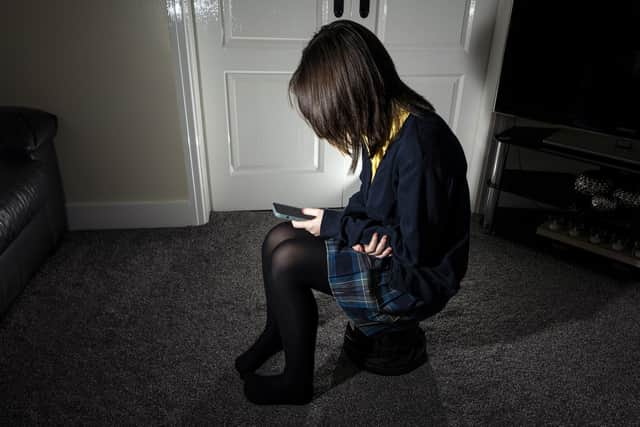

Across England, there were 246,905 under-18s waiting for NHS mental health treatment – 32 per cent had been waiting for at least a year.
Olly Parker, head of external affairs at children's mental health charity YoungMinds, said "urgent action" was needed to reverse rising waiting times.
"Growing up today is incredibly tough. Many young people are experiencing multiple pressures which impact their mental health, including poverty, inequality, intense academic pressure and the online world," he added.
"The Government must prioritise young people’s mental health to make this happen. They urgently need to address the root causes of poor mental health and revolutionise the way young people are supported.
"Increased investment in early support is vital and as part of this, the Government must fulfil its promise to roll-out early support hubs in every community."
The total average wait time for mental health treatment for under-18s in Greater Manchester was 137 days.
Jeremy Bernhaut, associate director of policy and influencing at Rethink Mental Illness, said long waits for treatment can have "devastating consequences" for young people, warning "many fall through the gaps between services, as they are considered too unwell for school-based support, but not unwell enough to meet the criteria for NHS treatment".
He called for a "clear plan" from the Government on how to reduce waiting lists, calling for a shift towards early intervention "so children can access more support in their communities".
"The majority of people experience mental illness for the first time in adolescence, yet they often only receive support once they are in crisis," he said.