
Iraqi asylum seeker whose death in Wigan triggered murder probe took his own life, coroner rules
The death of an asylum seeker at a Wigan house, which sparked a murder investigation, has been recorded as suicide.
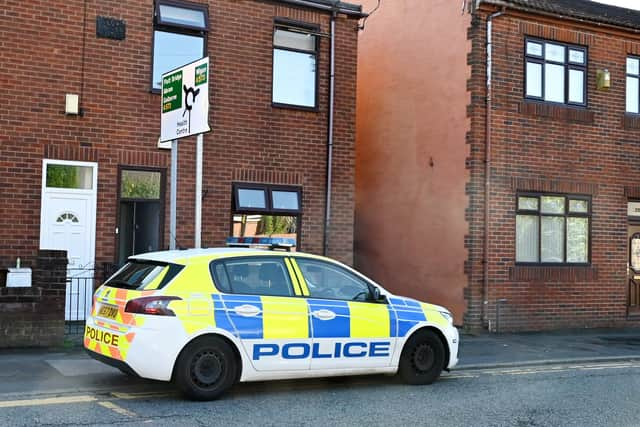
Police initially reported Kaiwan Nasralddin’s hands were bound behind his back, leading to suspicions of foul play, when he was found at home on Ince Green Lane, Ince, last September 11.
And three housemates were arrested on suspicion of murder. But a Bolton Coroner’s Court inquest this week was told video footage from body-worn cameras revealed that although he had material tied around his wrists, his arms were actually at his sides.
This discovery, along with further information, led to police ruling out third-party involvement in 20-year-old Kaiwan’s death, the suspects being released without charge.
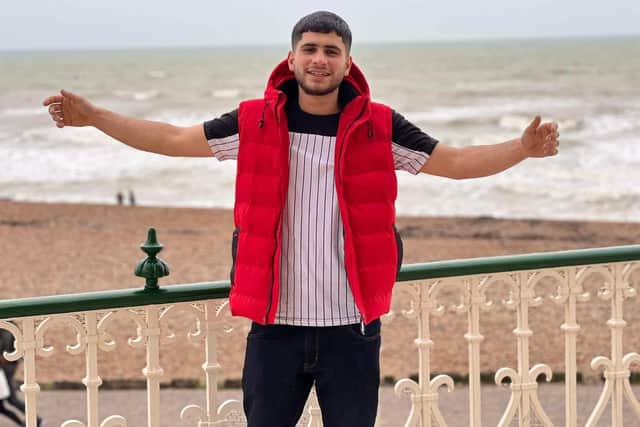

The inquest heard Kaiwan was born in Iraq and worked as a mechanic, before joining an opposition political party and suffering “adverse treatment” from the authorities. He fled to the UK, initially living in Leicestershire, then Wigan.
Kaiwan was kicked in the groin in Leicestershire seven months before he died, causing “incredible pain”, the inquest heard.
He saw a urology consultant and results were normal, but the pain continued and was so severe that Kaiwan threatened to harm himself.
Kaiwan contacted Migrant Help, which supports asylum seekers, in June and September to ask to be relocated due to issues with his housemates and the public.
The inquest heard he was advised to call police, as threats he reported could have constituted a criminal offence, but there was no record of his doing so.
Kaiwain was found unresponsive on September 11 and could not be revived by emergency services. Home Office pathologist Dr Philip Lumb concluded he died by hanging.
Kaiwan had material across his face, as well as on his wrists, which Dr Lumb said was “not uncommonly seen in this situation”.
There was “no objective pathological evidence of assault”, he added.
Det Insp Charlotte Quinn, who went to the house to investigate after Kaiwan’s death, said: “Initially there were a few things that caused me some concern. The description that Kaiwan’s hands had been tied behind his back. I was also concerned about an email that I was made aware of about some threats that Kaiwan had received. I was also concerned that I couldn’t find Kaiwan’s mobile phone.
“Due to these concerns, there were several residents of the address who were present at the scene and I made the decision at that time that those people would be arrested in connection with Kaiwan’s death.
"As part of that investigation, the people that were arrested were interviewed and they provided their accounts around the day that Kaiwan died.
"As a result of those accounts that were provided and subsequent CCTV that was located and mobile phones that were examined, and by this time we had also had the post-mortem with Dr Lumb, I was happy that these people that had been arrested did not have any involvement in Kaiwan’s death.”
She said the wrist binds “could have been self-placed”.
Kaiwan’s parents travelled from Iraq to attend the inquest. They expressed their heartbreak, his mother saying: “He only died once but I die every single day. Even if I go to his grave, I don’t feel him.”
Coroner Peter Sigee concluded he died by suicide.