
Work to prevent homes and businesses being flooded again receives £3m boost from Wigan Council
Town hall bosses have pledged to invest £3m to reduce the risk of flooding to properties in three areas of Wigan.
Devastating floods hit Hindley, Platt Bridge and Abram on New Year’s Day 2025, forcing residents to leave their homes and businesses to close their doors.
Some properties had also been flooded in 2015, leaving some home owners unable to secure insurance and footing the clean-up bill themselves after last year’s incident.
Since then there have been calls for action to be taken to prevent properties being inundated in future.
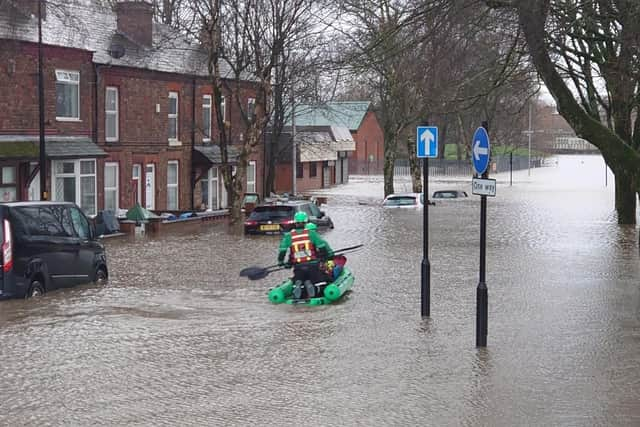

Now, Wigan Council has announced it will commit £3m to reduce the risk of flooding.
It is hoped the pledge will attract funding from other sources to support communities through a new flood defence scheme.
Council leader Coun Nazia Rehman said: “This commitment sets out a clear timeline for how we will support our residents, many of whom have been impacted by recent flooding.
“We have been consistently making the case on their behalf; listening to residents, working closely with partners such as Defra and the Environment Agency, and lobbying for the funding and support our communities need.
“While there is still a long way to go, we are determined to keep pushing until these much needed measures are delivered.
“Alongside our partners, we are confident the options being developed can significantly reduce flood risk for residents in Hindley, Platt Bridge and Abram.”
A public consultation will be held later this summer to assess the available options and learn more about how the projects will progress.
Further information about the consultation will be released in the coming weeks.
The Environment Agency announced in March that it would invest £329,000 in the Hindley Group Project, which is looking at flood management in Hindley, Abram and Platt Bridge.
It has been investigating and developing options to reduce flood risk from Hey and Borsdane brooks.
It is expected to take around two years for detailed designs to be drawn up, ground investigations carried out, funding secured and planning permission obtained.
It is hoped construction would begin in 2030 and take two to three years.