
Wigan Borough Community First looks at how the cost-of-living crisis has been detrimental to people's health
In its latest Healthwatch column, Wigan Borough Community First examines the health side-effects that living on the financial edge can bring to people
For many people, the cost-of-living crisis is no longer just about money.
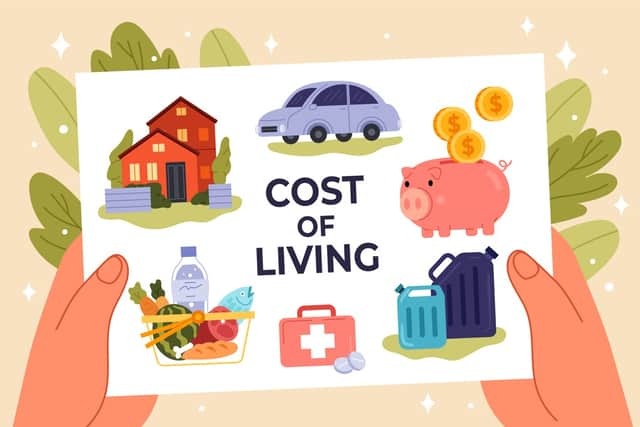

It is about deciding whether to put the heating on, buying cheaper food, or worrying about how to make it through the month.
While rising living costs are often discussed in terms of bills and household budgets, their impact on physical and mental health is equally important.
The mental burden of financial stress
Constantly worrying about money can take a serious toll on mental wellbeing.
Concerns about rent, energy bills and food prices can lead to anxiety, poor sleep and feelings of hopelessness.
Even everyday decisions, such as buying groceries or travelling to work, can become sources of stress.

Research by the Joseph Rowntree Foundation in 2025 found that 48 per cent of surveyed low-income families said the cost-of-living crisis had negatively affected their mental health, while 45 per cent reported an impact on their sleep.
These figures highlight how financial pressure can affect far more than someone's bank balance.
When financial worries become overwhelming, people may withdraw from social activities, avoid seeing friends or feel embarrassed about asking for help.
Over time, isolation can make existing mental health difficulties even harder to manage.
When healthy choices become unaffordable
The crisis also affects physical health. When food prices rise, families may turn to cheaper, less nutritious options or reduce the amount they eat. Fresh fruit, vegetables and balanced meals can become difficult to prioritise when money is tight.
According to the UK Parliament's September 2026 briefing on food poverty, six million people lived in households experiencing food insecurity in 2024/25. This demonstrates the scale of the challenge facing households struggling to afford enough food.
Another concern is the cost of heating. During colder months, some households may limit their heating to save money, leaving them in cold or damp living conditions. These environments can worsen respiratory problems and increase health risks, particularly for older people, young children and those with existing medical conditions.
The difficult choice between health and money
Financial pressure can also prevent people from accessing the support they need. Transport costs, prescription charges where applicable, and the expense of attending appointments can become additional barriers. Some people may delay seeking help because they cannot afford to take time off work or travel to healthcare services.
This creates a worrying cycle: financial difficulties can damage health, while poor health can make it harder to work and maintain financial stability.
What needs to change?
Addressing the hidden health effects of the cost-of-living crisis requires more than financial advice. Affordable nutritious food, warm and safe housing, accessible healthcare and appropriate mental health support are essential to protecting people's wellbeing.
Community organisations, food banks and local support services can provide valuable help, but longer-term solutions must also address the reasons people struggle to afford basic necessities.
Ultimately, good health should not depend on how much money someone has. The cost-of-living crisis reminds us that financial security and public health are closely connected. Recognising this link is an important step towards building a society where everyone has a fair opportunity to live a healthy life.