
Nanny diaries with Emma Appleton looks at the importance of the great outdoors in childhood development
Nanny and columnist Emma Appleton discusses the ‘Reggio Emilia approach’ which considers the environment as one of children’s best teachers
The Princess of Wales has recently been in Italy as part of her work in early childhood.

She is studying the “Reggio Emilia approach”: a child-centred philosophy in childcare and development.
There are many experts in childcare (in my opinion none more important than a parent) and often I follow a mix of a few in my own work.
Yet Reggio Emilia is one I tend to turn to most.
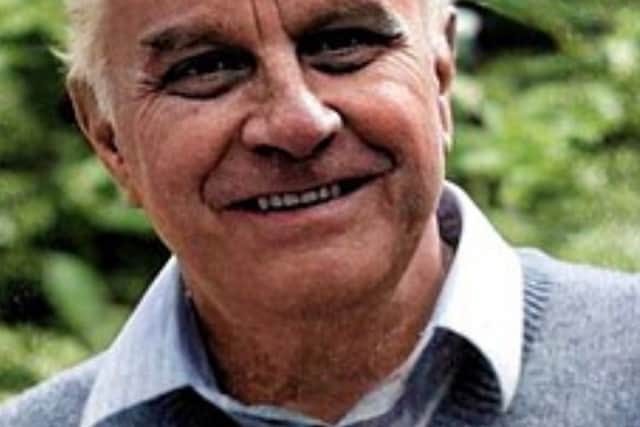
Developed in 1945 by Loris Malaguzzi and named after the town he lived.
Mr Malaguzzi worked with parents believing children use many “languages” to communicate and learn: namely drawing, movement, role play, construction and destruction.
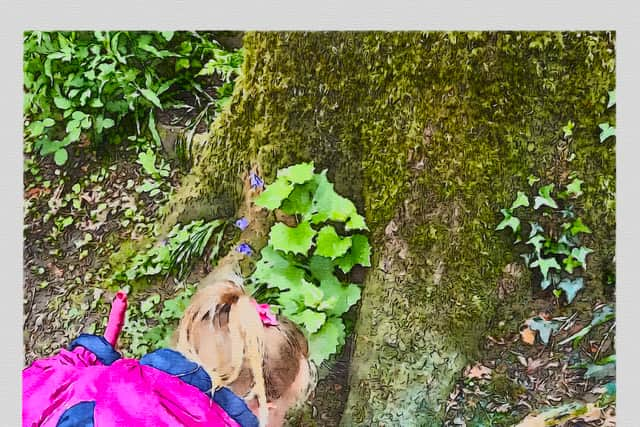
His philosophy was that the environment a child is in is their teacher. Which is why outdoor play is key to his principles.
He encouraged children to learn independence, creativity and problem solving through nature.
Mr Malaguzzi believed outdoors can work in conjunction with indoor classrooms and his principles are key to the forest school system today.
He’s right of course, you can do almost anything outside, maths, English, science, art; can all be done outside and totally child led.
He believed stepping back and observing was more important, encouraging language with open questions and discussion.
He was a man very affected by the children he met after the war and the world in general.
Desperately wanting to use children as “empty vessels” in which to create a more peaceful and democratic society, one of mutual respect and acceptance.
Yet despite this, one of my favourite quotes of his was “children are not things to be molded, rather people to be unfolded “
An inspiration to us all