
Wigan council encourages local people to join its diverse workforce
Wigan Council is stepping up efforts to encourage local residents to join its workforce, highlighting the range of roles on offer and the benefits of working for one of the borough’s largest employers.
The move comes as councils across the UK continue to recruit amid changing work patterns, skills shortages and growing use of flexible and remote working.
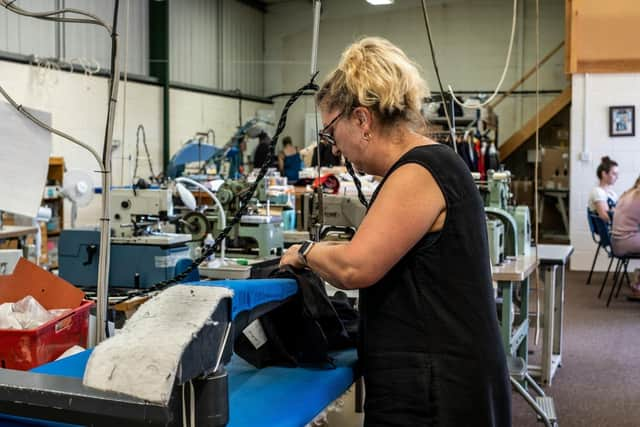

Wigan Council employs around 5,000 people, making it one of the biggest employers in the borough.
Staff work across a wide range of services including social care, education, environmental services, housing, highways, public health and corporate roles.
According to council workforce data, the organisation supports services for more than 330,000 residents across the borough, underlining the scale and variety of work available.
Council leaders say the aim is to reflect the community it serves by building a workforce that is inclusive, representative and rooted in the local area.
Women make up the majority of local government employees nationally, accounting for around 73 per cent of the workforce, and councils continue to focus on improving representation at senior levels and across specialist roles such as digital, engineering and management.
One of the key ways Wigan Council is attracting candidates is through flexible working.
Like many public sector employers, the council has retained hybrid and remote working arrangements introduced during the pandemic.
National data from the Office for National Statistics shows that around 40 per cent of UK workers now work remotely or in a hybrid way at least some of the time, and flexible working remains a priority for many jobseekers.
For council staff, this can mean a mix of home working and time spent in council buildings or out in the community, depending on the role.
Office-based and professional roles are more likely to offer hybrid working, while frontline services such as care, waste collection and highways remain predominantly site-based.
The council says flexible arrangements help improve work-life balance and widen the pool of people who can apply for roles, including parents, carers and those with disabilities.
Recruiting in a tight labour market
Wigan Council’s recruitment drive comes against a challenging national backdrop.
The UK labour market has remained relatively tight, with around 729,000 job vacancies nationally in the most recent figures.
Local authorities, like private sector employers, face competition for skilled workers, particularly in areas such as adult social care, children’s services, planning, IT and engineering.
Pay remains an important factor.
Average regular pay across the UK has been rising at around 4.6 per cent, increasing pressure on public sector employers working within fixed budgets.
Councils have responded by promoting non-pay benefits such as job security, pension provision through the Local Government Pension Scheme and opportunities for training and progression.
Hiring from abroad
Another factor shaping recruitment is international hiring.
Nationally, the UK continues to rely on overseas workers to fill gaps in key sectors.
Recent migration data shows that significant numbers of workers arrive on health and care visas, as well as skilled worker routes covering roles in technology, engineering and professional services.
While Wigan Council’s focus is on employing local people wherever possible, overseas recruitment plays a role in some hard-to-fill areas, particularly in social care.
Councils across the country have increasingly turned to international recruitment to support care services, reflecting persistent shortages in the domestic workforce.
The council says supporting a diverse workforce also means ensuring new recruits, whether local or from abroad, are properly supported with training, induction and opportunities to develop their careers within the organisation.
Opportunities for local residents
Wigan Council is encouraging residents of all ages and backgrounds to consider careers in local government, from apprenticeships and entry-level roles to professional and leadership positions.
Apprenticeships are a key route in, with councils nationally employing thousands of apprentices each year across business administration, social care, finance, IT and technical services.
For local people, working for the council can offer stable employment close to home, with roles that directly impact the community.
Council leaders say this sense of purpose is a major draw, particularly at a time when many workers are reassessing what they want from their careers.
As work patterns continue to evolve through flexible working and global recruitment trends, Wigan Council’s message is that local government can offer varied, meaningful and secure careers.
By encouraging local residents to join its diverse workforce, the council hopes to strengthen both its services and the communities they support.