
Nature Notes with Graham Workman: ladybird, ladybird fly away home!
In his latest Nature Notes column, wildlife expert Graham Workman talks about the value of our much-loved ladybirds
They are really easily identifiable and what child doesn’t love a ladybird?
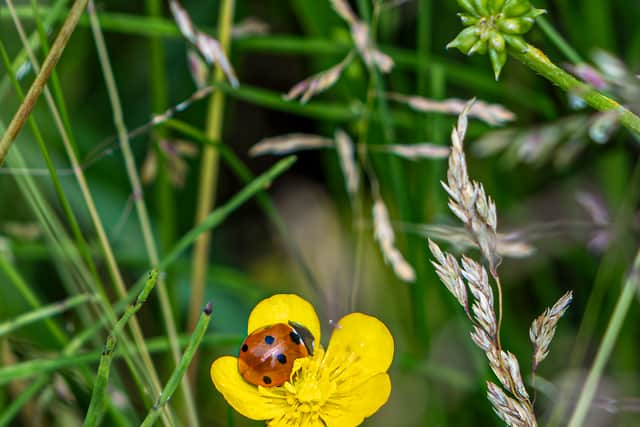

They are always portrayed as friendly little critters always smiling and helpful, but is this true?
There are more than 40 species of these familiar beetles in Britain and about 20 of these are small less than 3mm and dark in colour and so are often not recognised as ladybirds.
Many are predatory on aphids and other insects, a few even eat fungi or plants.
Ladybirds are actually beetles and from a family Coccinellidae.
They are usually small ranging in size from 1mm to10 mm and are round or oval.
Ladybird larvae all have a similar longish body with three pairs of obvious legs. Most are black or dark grey, some have yellow or orange markings and many have hairs or spikes.
Adults of the most familiar species have brightly coloured (red or yellow) wing cases (elytra) with dark or light spots.
So, did you realise that our little ladybirds are real tiny ecological heroes and just as important as bees in the complex web of life?
They are so much more effective than any bug spray and the best organic, sustainable method of dealing with garden pests.
A single ladybird can consume thousands of aphids and other soft-bodied insects over its lifespan.
This taste for sap-sucking pests prevents major plant damage and the spread of viral diseases to native flora and agricultural crops.
Aposematism (or warning colouration to you and me) on ladybirds is supposedly highly effectively.
The bright, contrasting red, orange, or yellow colours, combined with black spots, send visual signals to potential predators (like birds) that the insect is foul-tasting and toxic.
Recent studies have shown that brighter, deeper red ladybirds actually contain higher concentrations of toxic alkaloids.
The more colourful ladybirds are genuinely more deadly or nasty tasting.
Birds have excellent colour vision and quickly learn to associate these bright colours with a pretty unpleasant meal.
Some clever tests in which ladybirds were painted brown or their spots covered up resulted in their being attacked a lot more often
Sadly, for the ladybird they figure highly on many other species lunch menus.
They fit a crucial mid-tier position in the food chain.
They are a primary food source for a variety of predators, including birds.
Despite the research that the warning colouration keeps birds away from eating them, swallows and martins seem to have a taste for them and so too do spiders, frogs, toads, and even wasps.
I suppose like everything there are exceptions to the rule.
Some predators have evolved immunity to these toxins or simply ignore the warning signs out of hunger, meaning some ladybirds still get eaten.
Factoids
Entomologists have discovered that a ladybird can fly as fast as a horse runs - up to 37 miles an hour!
They can stay airborne for up to two hours – using little effort especially on windy days.
Of course this means they are not masters of their own destiny and have no idea where they will eventually end up.