
Health column: Let's talk about suicide
Suicide is a devastating issue but it's crucial to remember that help is always available.
At Greater Manchester Mental Health NHS Foundation Trust (GMMH) we are committed to raising awareness about suicide prevention and supporting those who are struggling with their mental health in the Wigan Borough.
GMMH works with its partners in public health, Greater Manchester Police, British Transport Police and voluntary, community, faith and social enterprises on suicide prevention and with those who are affected by suicide, so that we can better reach those people who need our services.
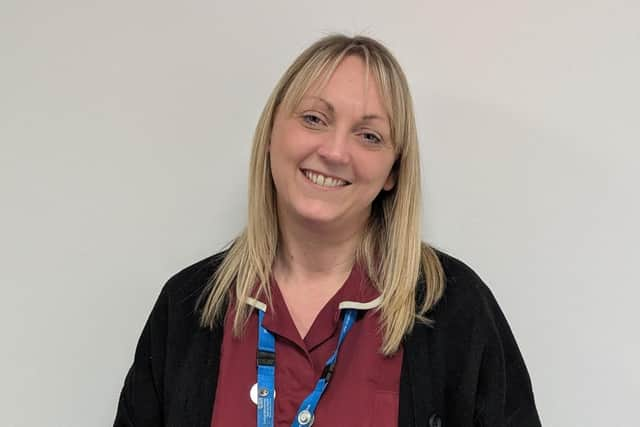
Over the past two years we have contributed to hosting events to promote awareness of the issues involved with suicide and to promote education on the subject more widely within the NHS, particularly with frontline staff, carers and service users. Going forwards, we will continue to focus on this approach. Also, as part of our Wigan Community Services we have a specialist, Lisa Sandiford, a Quality Matron and suicide prevention lead, who focuses on this area of our services.

These are some of the signs to look out for when someone may be at risk from suicide:
- Withdrawal: Increased isolation, avoiding social contact
- Hopelessness: Expressing feelings of despair, worthlessness, and having no future
- Changes in behaviour: Sudden changes in appetite, sleep patterns, and energy levels
- Self-harm: Cutting, burning, or other forms of self-injury
- Talking about death or suicide: Expressing suicidal thoughts or making plans
- Changes in mood: unexplained low mood, depressive symptoms.
What can you do?
- Listen without judgment: If someone opens up to you, offer a non-judgmental ear and validate their feelings
- Encourage help-seeking: Gently suggest professional support, such as therapy or counselling
- Take action: Don't hesitate to reach out to a crisis line or emergency services if you believe someone is in immediate danger of harming themselves.
Where to find help:
In emergency situations where there is an immediate risk to life, you should continue to contact 999 or go to A&E.
- The Samaritans: 116 123
- Crisis line / 111 and press 2
- GP Practice: Your doctor can provide support and referrals.
- Online: Shiningalightonsuicide.org
How to learn more:
Free training is available online on the https://www.zerosuicidealliance.com/suicide-awareness-training for anyone who wants to learn about basic suicide prevention
Remember: You are not alone. If you are struggling with suicidal thoughts, please reach out for help. There are people who care and want to support you.
See also Wigan Council’s website for more contacts: https://www.wigan.gov.uk/Resident/Health-Social-Care/Adults/fit-and-well/Mental-health/Help-and-support.aspx