
One in 50 children in Wigan now missing at least half their lessons
One in 50 children in Wigan are now missing at least half their lessons, new figures show.
It comes as new data from the Department for Education shows severe absence rates have risen everywhere across England since before the coronavirus pandemic.
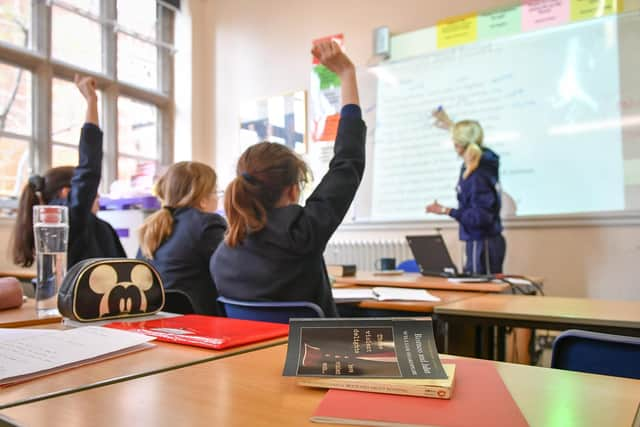

The Government announced thousands more pupils will receive support of a specialist attendance mentor to boost school attendance from April 2025.
But a social justice think tank called for quicker and further action to tackle the “endemic” of severe school absence.

In Wigan, two per cent pupils were severely absent in the spring term last year – up significantly from 0.7 per cent in 2018-19.
Nationally, severe absence during the spring term more than doubled from 0.8 per cent to 2.2 per cent over the past five years.
Meanwhile, London was the only region where the rate was below two per cent, with 1.4 per cent of children missing school for prolonged periods of time.
This means pupils missed at least half of their school sessions. Each day has two sessions, morning and afternoon.
Beth Prescott, programme lead at the Centre for Social Justice, said the “crisis of kids missing school shows no sign of abating” and urged the Government to act.
She added: “The Government’s recent expansion of the attendance mentors programme and curriculum review is welcome, as is the education minister’s focus on this issue. But school absence has now become endemic, with parents often thinking it is not essential for children to attend school every day.
“Without faster and further action, like the national roll out of attendance mentors and a parental participation strategy, we will be picking up the pieces from this unfolding social disaster for years to come.”
Pepe Di’Iasio, general secretary of the Association of School and College Leaders, said schools deserve credit for the fall in overall absence rate, but highlighted the concerning trend of more and more children missing over half their lessons.
“These children are missing out on a huge chunk of vital learning and schools need support to help them return to the classroom,” he added.
“This will require investment in attendance support services to help identify the reasons behind these prolonged absences and to work towards solutions.”
The figures also show authorised absences due to illness was the main reason for severe absence across the country.
Persistent absence, children missing at least 10 per cent of their lessons, has also increased during the pandemic, with the rate rising to 21.5 per cent nationally last spring.
Additionally, the overall national absence rate – which includes authorised and unauthorised punctual, persistent and severe absences – increased from 4.8 per cent to 7.2 per cent in the past five years.
A DfE spokesperson said: “Our mission is to break down barriers to opportunity and give every child the best life chances. Strong foundations of learning are grounded in attendance in the classroom, but we inherited a major challenge in high rates of absence.
“Tackling absence is everyone’s responsibility. Parents have a legal responsibility to make sure their child is in school, while government is committed to tackling the root causes of absence through mental health support in secondary schools, breakfast clubs in all primary schools and inclusive SEND support.”