
Skin cancer surviving Wigan mum's advice to sunseekers
A Wigan skin cancer survivor is urging people to enjoy the sun safely this summer.
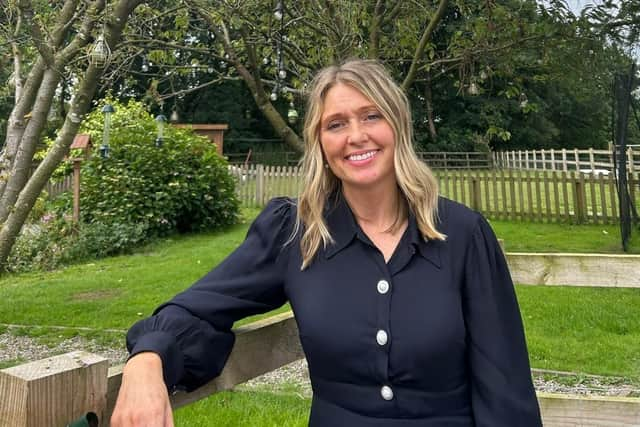
Tracey Fletcher, 47, was first diagnosed with melanoma – the most serious form of skin cancer – in 2003 after she spotted a mole on her arm had changed colour.
The mum-of-two has since faced several melanoma recurrences and has spent the past 20 years spending as much time in the shade as possible - saying the experience “scared her to death.”
Tracey, who co-owns Wigan bakery JG Fletcher & Sons, is sharing her story as latest analysis by Cancer Research UK reveals melanoma skin cancer rates have increased by almost a third over the past decade* with a projected record high of 20,800 cases this year in the UK.


Researchers found that around 17,000 UK melanoma cases every year are preventable, with almost nine in 10 caused by too much ultraviolet (UV) radiation from the sun and sunbeds.
That’s why Tracey has joined forces with partners Cancer Research UK and NIVEA SUN, who are offering advice and tips on how people can protect their skin from the sun’s UV rays.
With around 2,200 people in the North West currently diagnosed with melanoma every year,**** she’s passionate about raising vital awareness.
Tracey, who is mum to Jemma, 16, and 21-year-old Jimmy said: “If I’d realised when I was younger the risks of the sun and been more sensible, my life would’ve been so different and that’s why I’m sharing my story to help spare others from similar heartache.
“I was scared to death when I was diagnosed, and now I always find the shade everywhere I go. I hope I can encourage people to think about their sun habits and take precautions. It’s so important, because skin cancer can be prevented by being safe in the sun and using a combination of shade, covering up, and wearing a hat and sunscreen to avoid burning.”
Tracey first became concerned about a mole on her arm just before she was due to go on holiday to Cyrpus to attend a friend’s wedding. She tried not to worry, but when she got home, she went to see her GP.
She was referred for tests and a suspicious area of skin was removed from Tracey’s arm and found to be cancerous. She then underwent further surgery to remove a wider area of skin and was cancer free for 10 years.
Then in 2013 Tracey woke up one morning with a pain under her right armpit, and had an awful feeling that it was back.
She said: “I woke up early with a huge painful lump in my right armpit. I thought it was an infection however something told me it might be related to my previous melanoma. I managed to speak to my GP that morning, he told me to come see him straight away and he sent me to hospital. I didn't have to wait for long then I was checked. I could hear the staff mentioning a CT scan at the desk and at that point I felt sure I knew what it was.
“It’s really spurred me on to want to help others and spread the word about skin cancer prevention and early detection too. It could make all the difference, so I always encourage people to be safe in the sun and see their GP if they notice any unusual changes to their skin.
“It’s tempting to want to make the most of warm weather, but getting sunburnt increases your chance of getting skin cancer - so I’m urging people in Wigan to take care. My husband Daniel is a farmer, so he works outside all the time and after what happened to me, he’s so careful these days.
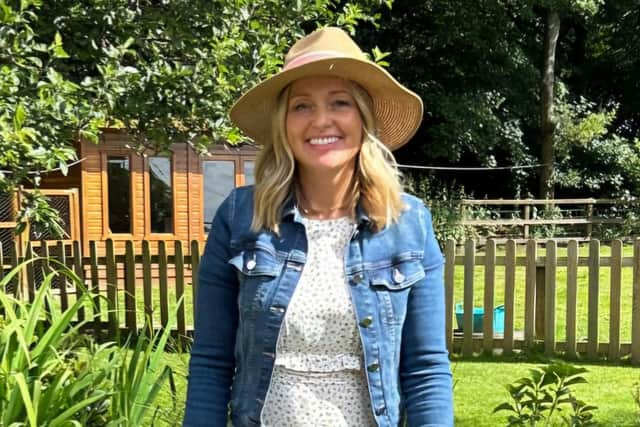
“Now I always stay out of the sun and wear a hat. I’ve got a lovely new one for this summer. I wear long sleeves and sunscreen no matter what. I am constantly reminding my children and their friends of the dangers of UV. I tell everyone I meet about what happened to me to try to prevent it from happening to them.”
Tracey has since had several cancerous moles removed from her legs. Now she visits her dermatologist every six months to have her remaining moles monitored.
Anyone can get sunburnt or develop skin cancer, but those at higher risk include people with lighter skin tones and naturally light-coloured hair or eyes, as well as people with lots of moles and freckles, or a family history of skin cancer.
And when it comes to signs and symptoms of the disease, it’s not just changes to a mole or freckle that matter, it could be a sore that doesn’t heal, a lump, an ulcer, or a patch of skin that’s changed colour. Any unusual changes to an area of people’s skin should be seen by a doctor.
Cancer Research UK and NIVEA SUN recommend the following when the sun is strong:
1. Seek Shade - Especially between 11am and 3pm in the UK. Take a break under trees, umbrellas, and canopies, or go indoors.
2. Cover Up – With clothes that cover your shoulders, a wide-brimmed hat and UV protection sunglasses. The more skin that’s covered by your clothing, the better the protection.
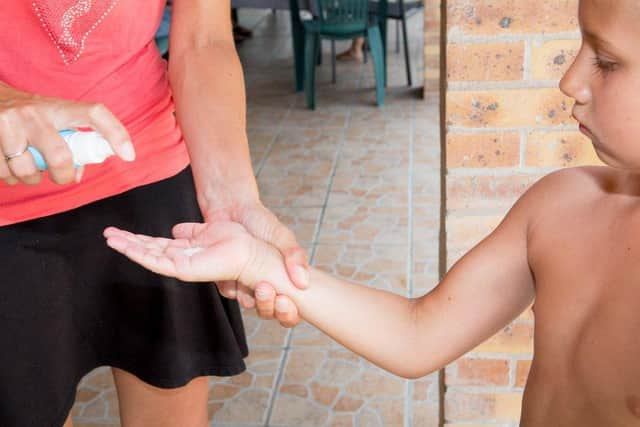
3. Apply Sunscreen Regularly – With at least SPF 30 and 4 or 5 stars. Make sure to reapply it regularly and generously, especially after swimming, sweating, or towelling.
Cancer Research UK Health Information Manager, Beth Vincent, said: “Getting sunburnt just once every two years can triple the risk of developing skin cancer, compared to never being burnt. So we’re grateful to Tracey for lending her voice to our campaign with NIVEA SUN.
“Even on a cloudy day, the sun can be strong enough in Wigan - and across the UK - to burn between mid-March and mid-October. Avoid getting caught out by checking the UV index on the weather forecast or online. If it’s 3 (moderate) or above, it’s time to think about sun safety.
“Whatever your skin tone, whether you’re abroad, having a staycation or just out-and-about, remember the three-step method to enjoy warm weather safely: seek shade, cover up and apply sunscreen regularly.”
For more skin cancer information and sun safety tips visit cruk.org/sunsafety
Not only are melanoma cases on the rise across the UK, in the North West around 250 people in the region die from the disease each year.
That’s why sorting fact from fiction is so important when it comes to sun safety.
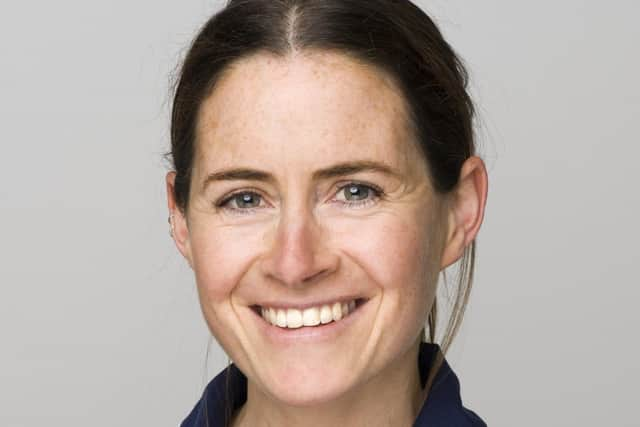
Cancer Research UK Cancer Awareness Nurse, Ceri Eames, works in communities to help people reduce their risk of the disease.
She said: “There’s a lot of misinformation out there, but one thing we do know is that damage to our skin from the sun is the number one cause of melanoma. It’s the UK’s fifth most common cancer.
“That might sound scary, but the majority of melanoma cases could be prevented by being safe in the sun.”
As part of Cancer Research UK’s partnership with NIVEA SUN, Ceri is helping to debunk some common myths. Here’s her advice:
Myth one - I need to get as much sun as possible to get enough vitamin D“A bit of sun can help our bodies to make vitamin D which is important for things like healthy bones. People with lighter skin tones only need brief sun exposure, while people with darker skin tones may need more time for the body to make enough vitamin D. But whatever your skin tone, there’s no need to sunbathe or risk sunburn in order to get vitamin D. Once your body has made enough, it’ll start to break down any extra, so spending even longer in the sun won’t help. Plus, you can get vitamin D from your diet or supplements. It’s a good idea to speak to your GP if you’re concerned about your vitamin D levels.”
Myth two – The SPF in my makeup is enough
“Even if your makeup label claims to offer sun protection, you’d need to apply several times the normal amount of foundation or face cream to get anywhere close to the level of protection stated on the bottle. You’re also highly unlikely to reapply makeup regularly throughout the day, as is required to keep protected.”
Myth three – Aftersun products repair the damage done by sunburn
“While aftersun products may soothe the unpleasant symptoms of sunburn, they won’t fix any damage done to the DNA inside your cells that could lead to skin cancer. If you start to notice signs of burning, seek shade and cover up immediately. Don’t spend more time in the sun that day – even with sunscreen.”
Visit cruk.org/sunsafety to find out more.