
Wigan's hospitals continue to cut the number of people on waiting lists for tests and procedures
The waiting lists for procedures and tests at Wigan’s hospitals are continuing to reduce, new data reveals.
Wrightington, Wigan and Leigh Teaching Hospitals NHS Foundation Trust (WWL) has been working to cut waiting times for elective surgery and diagnostic tests.

New NHS England figures show the number of people on the waiting list for non-urgent operations or treatment dropped by 2.55 per cent, from 45,540 at the end of January to 44,382 at the end of February.
However, there were 1,055 people (2.4 per cent) waiting for more than 52 weeks, 23 for more than 65 weeks and one person waiting for more than 78 weeks.
Across England, the waiting list for routine hospital treatment fell for the fourth month in a row, to an estimated 7.22m at the end of February, though health secretary Wes Street said progress would be “faster” without resident doctor strikes.
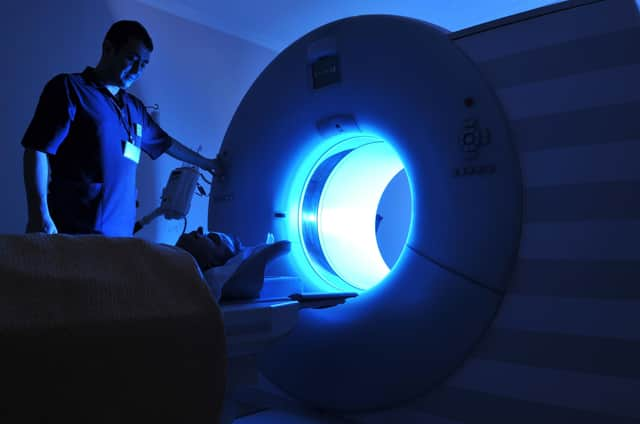
Separate NHS figures show the number of people waiting for one of 14 standard tests – such as an MRI scan, non-obstetric ultrasound or gastroscopy – fell from 12,136 at the end of January to 11,821 (5.6 per cent) by the end of February.
A total of 2,240 patients had been waiting for more than six weeks (18.9 per cent) and 680 for more than 13 weeks.
The most in-demand test was non-obstetric ultrasound, with 3,937 people on the waiting list, followed by MRI scan (2,677) and echocardiogram (1,932).
More than half of patients (52.9 per cent) in need of an audiology assessment had been waiting for more than six weeks.
WWL carried out 1,309 planned tests, 3,578 unplanned tests and 10,168 waiting list tests in the month.
Sarah Brennan, WWL’s chief operating officer, said: “We are really pleased that our waiting lists for standard tests continue to fall, alongside the
progress being made in reducing our longest waits.
“Our priority continues to ensure patients are seen, tested and treated in timely way across all services such as clinics, diagnostic areas and theatres, based on clinical priority.
“We recognise that demand remains high and that waiting for tests can be added anxiety to an already stressful time, so we continue to prioritise those with the longest waits to be seen.”