
Nature Notes with Graham Workman: changing times
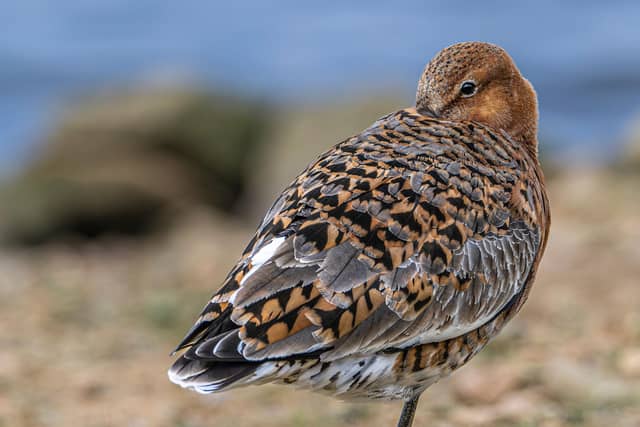

Many birds have two sets of suits - why? I suppose the best place to start is feathers as they are all changed during the moult process.
Feathers, like our hair, are dead structures made of keratin and once damaged that’s it: they can’t be repaired.
Plus they get worn over time due to sun exposure and general activity, so birds must moult at least once a year to replace them and remain in tip top condition for insulation and flight.
But to make it a tad more confusing not all birds have a different summer and winter plumage.
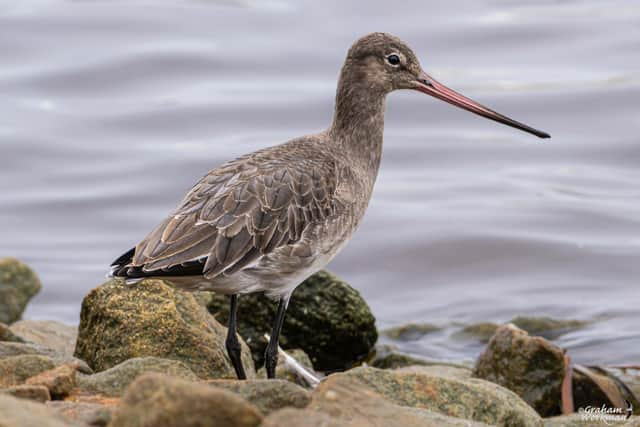
Some birds only have one complete moult per year and rely on feather wear (where the tips of fresh, dull feathers wear off to reveal brighter colours underneath by spring) for seasonal changes in appearance.
Other birds, like many raptors and gulls, take several years and multiple moults to reach their full adult plumage.
So summer plumage is usually the bright, striking colours of a bird's breeding finery or a "fancy coat" crucial for attracting a mate and displaying how strong and fit they are.
Males in particular use these elaborate colours and patterns to show off their health and vigour to potential partners and to intimidate rivals.
The quality of their diet during the winter can even influence how bright their breeding plumage becomes, signalling their ability to find resources.
Then once breeding season is over the birds' "winter plumage" appears for several different reasons: insulation and camouflage being two major factors.
Feathers provide essential insulation; they trap a layer of warm air next to the bird's body (think eider duck and how superb their feathers are and used as well as for the birds are also used for insulating their eggs in colder areas).
Many birds grow a denser, warmer set of feathers for the winter months, and a lighter set for the summer, although this change is more about feather density than a dramatic colour shift in most species.
Then there’s camouflage when a more muted or duller plumage helps birds blend in with their winter environment, making them less visible to both predators and prey.
Some birds, like the ptarmigan, change their plumage to nearly all white to blend in with snow which is their winter habitat.
The ptarmigan is a perfect bird to use as an example (although the explanation does get a tad scientific). The ptarmigan undergoes significant morphological changes in its plumage from summer to winter.
During the winter, the bird’s plumage becomes denser and the individual feathers heavier, longer and downier.
This increased feather density and mass is crucial for insulation against the sub-zero temperatures in some of its more northern habitats.
On the bottom of the feet, the number and size of feathers increase dramatically, resulting in a 2.5-fold increase in feather density and a six-fold increase in mass density between summer and winter.
This transformation effectively reduces the proportion of bare skin in contact with the ground from 44 per cent to 0 per cent. Now that’s pretty impressive!