
Nanny Diaries


Imagination station
This week I feel like I’ve spent a lot of time as various “imaginary animals and people”
My charges all have fabulous imaginations that I actively encourage!
Take Miss T for instance. In the space of an hour I was a mummy, a baby, a chicken and a horse! Yet I was almost a bystander, so involved was she in her world.
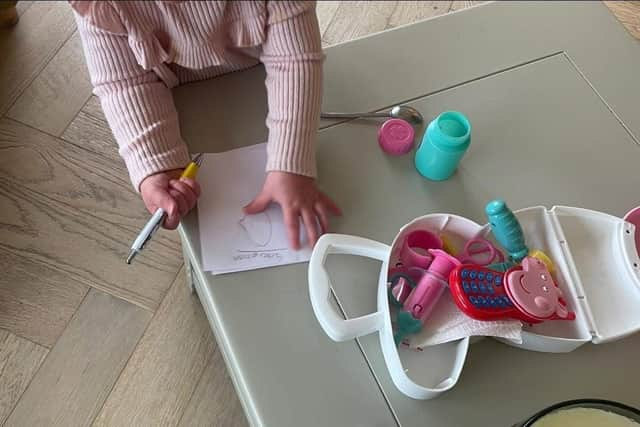
Baby P often gets quite cross if I don’t “come to the shop” with her baby in a pram and a handbag on her arm!
The gift of imagination is precious in children. Offering problem-solving and creativity, and enhancing social-emotional skills such as negotiation, sharing and empathy.
Children learn to organize and order stories, which can help with academic skills when they reach school age.
I often use imaginative play as therapy too. We play out scenarios that are happening in their little lives, like starting nursery, new babies or lost loved ones. The children then have a space to practice expressing their feelings, understanding the world .
It doesn’t take much for me to nudge an idea or feeling. One word or suggestion and they tend to run with it.
For example, I said to baby P “ooh, I might just put my baby down to play for a minute while I do some jobs “
Initiating a game where she put her babies down in a row and said: “I need to do some dancing babies you stay there and watch me!" Adorable!
Yet there she’s learned a few things, adults can’t always be there, adults sometimes need their own space but also you, their child are always safe and loved.
In her dancing she practised gross motor, movement to music (in this case a Peppa pig song along radio) empathy and nurture.
I don’t know of a screen that can produce that kind of effect.
Imagination is still vital as your child gets older. Going into a world of their own supports teens to build perspectives, empathy, and cope with stress. It enhances their problem solving skills playing out scenarios and encourages them to think outside the box. To develop and take pride in their own unique personality.
Imagination can help them to mentally simulate different scenarios and their potential outcomes, which can lead to more thoughtful choices and better risk assessment.
So don’t be alarmed if you see your child or teen talking to themselves.
They’re working hard at being an adult!