
Fascinating past: religious history of much missed Wigan pub
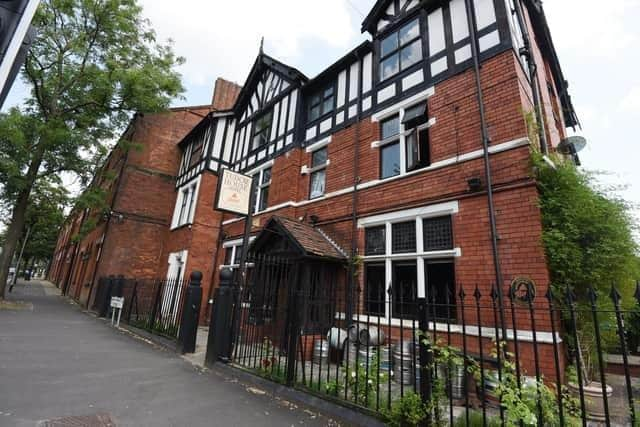
Looking one of the more venerable buildings in Wigan and with lots of happy memories savoured by past customers, many could be mistaken for thinking that The Tudor House Hotel has been public lodgings and a watering hole for centuries.
But in fact the New Market Street premises, closed since its last publican died and is now the subject of a planning application to turn it into shared accommodation, only started welcoming guests and drinkers a few decades ago.
Before then, it’s unlikely that even communion wine was kept there because it was home to a religious order.

All is revealed on a new website, set up by brothers Pat and Will Sharp called Who Built Wigan’s Churches? and they got in touch with Wigan Today after reading our article about a developer’s intention to make it a high-end house in multiple occupation.
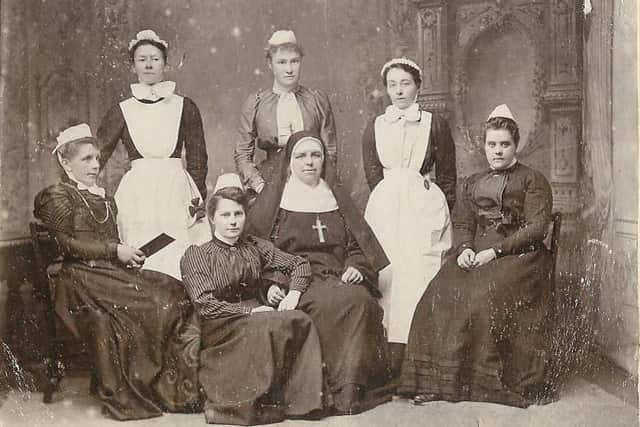
The Community of St Mary the Virgin Sisters, known locally as The Wantage Sisters, were present in Wigan from 1887 to 1954.
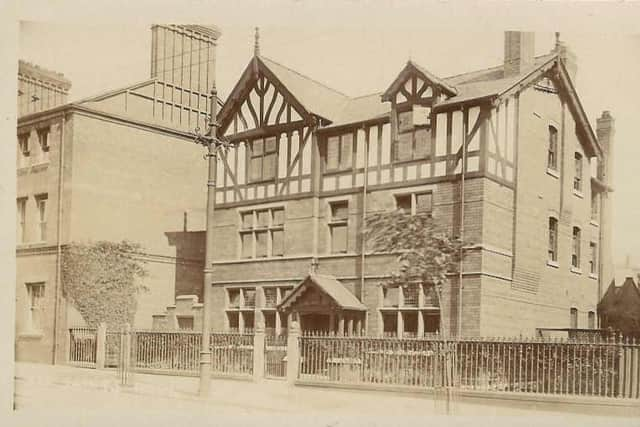
They lived and worked at All Saints Mission House, 1a New Market Street which became The Tudor Lodge after they left.
The order of nuns is still in existence today, based in Wantage in Oxfordshire.
From convent archives the brothers learnt that: “In 1887 CSMV sisters took part in a mission in All Saints Parish, and it was as a result of their work in this, that the Rector of Wigan, Rev Canon Orlando Bridgeman, asked for Sisters to remain in the parish permanently.
"The work was accepted by the community, and on September 29 1887, a service of blessing and dismissal sped Sisters Agnes Jane and Emily Harriet upon their way to Wigan.
"Sister Agnes Jane was to be the first Sister in Charge.“
Early on the Sisters lived at 5 New Market Street. In 1893, the new purpose-built All Saints Mission House was constructed, Miss Anson of Catton Hall laying the foundation stone. The building cost about £1,800 and was designed by Wigan architects, Heaton and Ralph.
At the laying of the foundation stone Rector Bridgeman made a speech:
“There were many who knew that All Saints House was something more than a mere residence for the Sisters.
"There were numbers who had found a home for themselves— haven of rest, refuge and a place for refreshment when they had sought it for both body and soul.
"It had also become a centre for all women’s work for the church in the parish.
“Before the Sisters came there were numbers who scarely knew what women’s work in the Church could be, or what with zeal and true sympathy one self-denying woman could do for another, and now that they had shown it they would find it hard to do without it.“
The 1911 census tells us that the All Saints Mission House had 21 rooms, 13 women lived there of whom two were servants.
The Sisters worked primarily with women and girls and, as new churches were built and parishes established, a Sister was designated to serve in each parish.
They ran a hostel called the St Barnabas Home for Aged Women at 3 Upper Dicconson Street: occupied by six sisters and 10 “inmates” aged 55 to 91.
Fund-raising is mentioned in the Parish Magazine of July 1914. “The Sisters wish to thank all friends who helped with their Pound Day, June 11.” Pound days were when parishioners were asked to donate a pound of tea, butter or other groceries.
There are mentions of the Sisters at work at St Andrew’s Springfield, St Anne’s Beech Hill and St Barnabas Marsh Green.
The Sisters were withdrawn from Wigan in 1954 and after renovation, the Mission House opened as a parish hall and meeting place in 1957.
Late Tudor House landlord Russell Miller remembered the names of the sisters being on the doors of the upstairs rooms when he first moved in.