
Climate column: innovative programme building community resilience to environmental risks
This month’s climate column looks at a project in Higher Folds.
We know that people take pride in their communities and stick together, even when the times are tough.
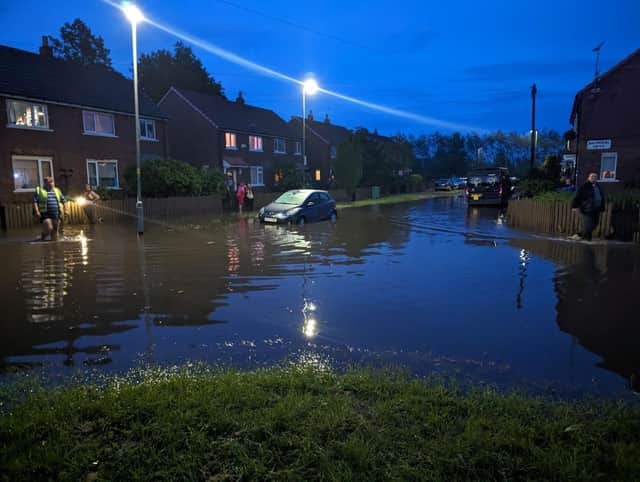

Because even though flooding, extreme heat, and high living costs have all tested residents in recent years, these struggles have also revealed a deep sense of solidarity, determination, and strong social ties that give people hope and strength.
This is also the case in Higher Folds, where innovative projects such as the HF Works and Resilience for Communities (R4C) programmes have been carried out to build on that community strength, enhance social cohesion, and improve resilience to flood and heat risk.
Believing that those best placed to resolve issues in Higher Folds are the people who live there, HF Works has been set up as a resident-led enterprise to help secure funding and opportunities to help the community thrive.
Some examples of the group’s work have been to secure funding for alternative employment routes for those out of work, such as grounds maintenance, litter picking, drain checks, and planting, as well as practical jobs to protect the estate from flooding.
This works in conjunction with the Resilience for Communities (R4C) programme, organised by the Resilient Cities Network and Groundwork, which has organised focus group sessions to understand the concerns of the Higher Folds community, with the aim of improving resilience to environmental risks.
To assist with its aims, the R4C programme has employed a diverse toolkit to engage the communities of Higher Folds, ensuring that the initiative encourages wider participation and meaningful interaction.
Some of these engagement methods have included using schools and community hubs as platforms for educational programmes on climate adaptation, which have showcased interactive workshops, visual aids, and participatory tools like mapping and budgeting to better understand community concerns and develop solutions.
Public art, storytelling, theatre, and games have also provided accessible and relatable ways to raise awareness about climate resilience, with events organised such as picnics, festivals, and themed quizzes.
Additionally, residents have collaborated in designing resilience strategies through participatory planning processes, while digital platforms, online surveys, and social media campaigns have also extended engagement to younger demographics and those unable to attend in-person events.
Collaborations and partnerships with local organisations, schools, sports teams, and healthcare professionals have also helped to expand the program’s reach and impact.
Partnership opportunities have also resulted from the R4C sessions, including Wetland Development with United Utilities.
This has seen the exploration of creating two wetland areas in Higher Folds to divert highway runoff from combined sewers, reducing flood risk.
If successful, this project would be primarily funded through United Utilities, with Wigan Council helping to lead community design and stewardship efforts.
As residents are aware of the climate risks that they face, this wider campaign aims to raise awareness of climate resilience and empower residents to take the necessary steps to better protect their neighbourhood.