
Climate column: what the weather in 2026 tells us about climate change and what it means for Wigan
In this month’s climate column, Wigan Council looks at the weather this year and what it means for the future.
The weather across the UK in 2026 has provided another clear example of how our climate is changing.

This year has seen exceptionally warm temperatures, prolonged dry periods and several significant heatwaves.
According to the Met Office, summer 2026 was provisionally the hottest UK summer on record, with an average temperature of 16.5°C, surpassing the previous record set in 2025.
Scientists estimated that these conditions were around 130 times more likely because of human-induced climate change.
Throughout the year, the UK experienced unusually warm conditions.
Spring was among the warmest on record, followed by a summer that brought multiple heatwaves and temperatures reaching over 38°C in parts of England.
The country also experienced very dry conditions and increased pressure on water resources, agriculture and public health.
While weather naturally varies from year to year, climate scientists point to a long-term trend.
The Met Office’s State of the UK Climate report shows that the UK has warmed significantly over recent decades, with the period 2016 to 2025 being 1.33°C warmer than the 1961 to 1990 average.
Extreme weather events, including heatwaves and heavy rainfall, are becoming more frequent and more intense.
For residents of Wigan borough, these national trends have very local impacts.
Wigan Council’s Adaptation and Resilience Action Plan highlights that the borough is expected to experience warmer, wetter winters and hotter, drier summers, along with more intense storms, droughts and heatwaves.
These changes increase the risks of flooding, damage to infrastructure, pressure on water supplies and impacts on health and well-being.
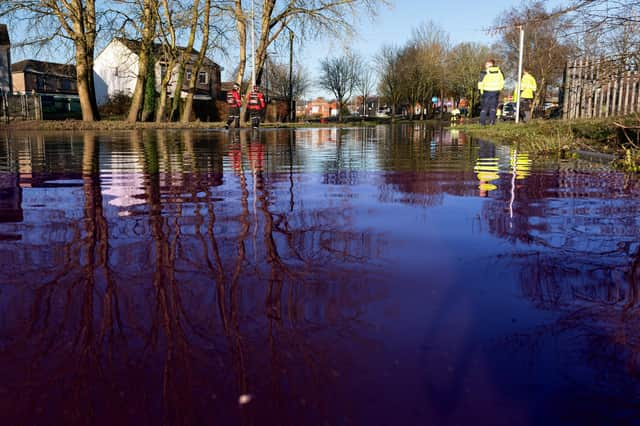
Flooding remains a particular concern for parts of Wigan borough.
Although hotter summers may seem at odds with flooding, climate change can lead to heavier downpours when rain does occur.
Warmer air can hold more moisture, increasing the likelihood of intense rainfall events.
Local authorities are already investing in flood management and resilience measures to help communities prepare for future risks.
Looking ahead, climate projections suggest that the UK will continue to see hotter, drier summers, warmer and wetter winters, and more frequent weather extremes.
Heatwaves that were once considered rare may become commonplace.
The impacts could include greater risks to vulnerable people during hot weather, disruption to transport networks, increased flooding and challenges for local wildlife and green spaces.
Preparing for these changes will require action from councils, businesses and residents alike.
In Wigan borough, this could mean planting more trees to provide shade, creating sustainable drainage systems to reduce flood risk, improving home insulation to keep buildings comfortable during both hot and cold weather, and protecting natural habitats that help absorb carbon and manage water.
Communities can also prepare by staying informed about heat and flood warnings, conserving water during dry periods and supporting local climate initiatives.
The weather experienced in 2026 is not just a snapshot of an unusual year.
It is part of a wider pattern showing how climate change is affecting the UK today.
By understanding these changes and taking practical action now, Wigan borough can become more resilient and better prepared for the challenges of the future.