
Healthwatch: why you're always tired even after eight hours of sleep
This week’s Healthwatch column looks at sleep and why you might be feeling tired.
Feeling exhausted after a full eight hours of sleep can be frustrating, and surprisingly common.
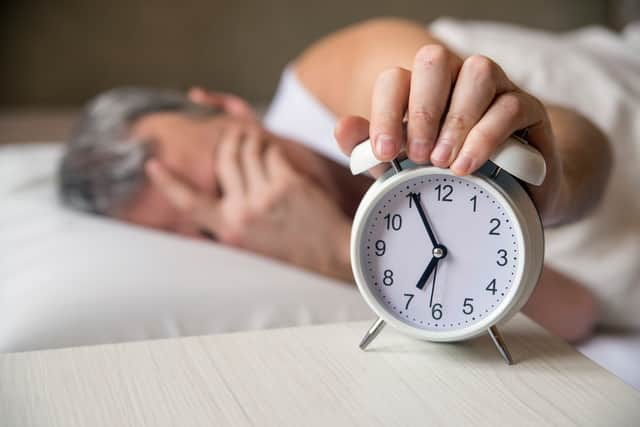

While it’s easy to assume more sleep is the answer, the real issue often lies in the quality of your rest and the habits surrounding it.
Several hidden factors could be draining your energy, even if you’re technically getting enough hours in bed.
One of the biggest culprits is stress.
When your mind is constantly racing, whether due to work, finances, or personal pressures, your body stays in a heightened state of alertness.
This makes it harder to reach the deeper, restorative stages of sleep.
Even if you don’t wake up fully, stress can cause fragmented sleep cycles, leaving you feeling unrefreshed in the morning.
Chronic stress is also closely linked to conditions like anxiety disorder, which can further disrupt sleep patterns.
Screen exposure is another major factor.
Using phones, tablets, or laptops late into the evening exposes your eyes to blue light, which interferes with your body’s production of melatonin, the hormone that regulates sleep.
This can delay your natural sleep cycle, meaning you fall asleep later and spend less time in the most restorative phases of rest.
Even scrolling for “just a few minutes” before bed can have a noticeable impact on how you feel the next day.
Your diet also plays a key role in how well you sleep.
Consuming too much caffeine, even in the afternoon, can linger in your system for hours, making it harder to fall into deep sleep.
Similarly, diets high in sugar and ultra-processed foods can cause blood sugar spikes and crashes during the night, leading to restlessness.
On the other hand, not eating enough or skipping meals can also disrupt sleep by triggering hunger signals.
Balanced nutrition, including whole foods and regular meal timing, helps support more stable energy levels and better rest.
In some cases, persistent fatigue may be linked to an underlying medical condition such as sleep apnea.
This condition causes repeated interruptions in breathing during sleep, often without the person being aware.
As a result, the body is repeatedly jolted out of deep sleep, preventing proper recovery.
Common signs include loud snoring, waking up with a dry mouth, or feeling excessively tired during the day despite adequate sleep duration.
If this sounds familiar, it’s worth seeking medical advice.
Ultimately, feeling tired after eight hours of sleep isn’t just about how long you sleep, it’s about how well you sleep.
Managing stress, reducing screen time before bed, improving your diet, and addressing any potential health issues can make a significant difference.
Small changes in your daily routine can lead to deeper, more restorative sleep, and help you wake up feeling genuinely refreshed.