
Wigan borough vet warns dog owners over surge in painful grass seed injuries this summer
It’s not the first hazard pet owners will think about, but grass seeds can be a real health menace to dogs, and a Wigan borough vet has seen a sharp increase in cases this summer
A Wigan veterinary practice is urging dog owners to be extra vigilant and check their dogs after every walk after seeing a significant increase in dogs needing emergency treatment for painful grass seed injuries this summer.
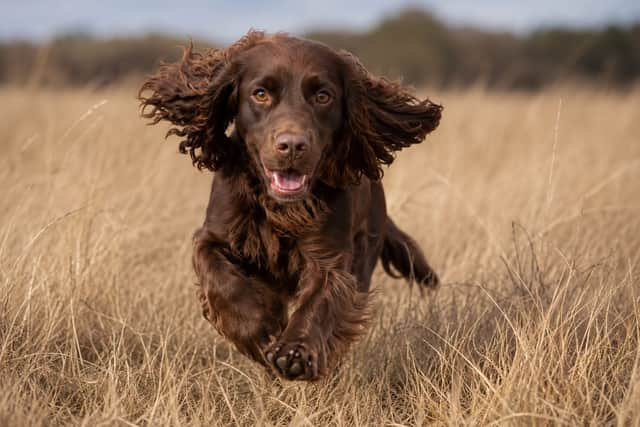

Harrison Family Vets in Tyldesley has recently treated numerous dogs with grass seeds lodged in their ears, noses, paws and even under their tails, where the sharp, barbed seeds can become embedded in the skin and cause severe irritation, infection and pain.
Since May Harrison Family Vets’ 10 practices have already treated more than 460 grass seed cases and incidents thought to be related to grass seed.
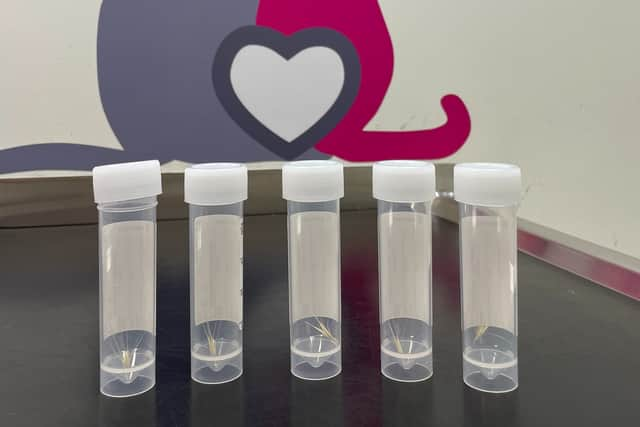
Unlike ordinary plant material, grass seeds have pointed, barbed tips that are designed to move in one direction. Once they become caught in a dog’s fur, they can work their way through the coat and into the skin or body openings, where they cannot be removed naturally and often require veterinary treatment, sometimes under sedation or general anaesthetic.
Grass seed problems become much more common during the summer because grasses flower and produce seeds. As the weather becomes warmer and drier, the seed heads dry out and detach more easily, making them more likely to cling to passing dogs. Long grass, meadows and roadside verges are particularly high-risk areas.
James Harris, group clinical director from Harrison Family Vets, said: “Grass seeds are always a problem in the summer months, but we’ve seen a noticeable increase in cases this year, which could be due to recent high temperatures combined with very little rainfall.
“Whilst they may look harmless, these tiny seeds can cause an incredible amount of discomfort and, if left untreated, can lead to serious infections or even migrate deeper into the body.
“Unfortunately, it’s almost impossible to stop dogs exploring grassy areas altogether and most love running through long grass, especially during the summer. However, there are simple steps owners can take that can dramatically reduce the risk.”
Harrison Family Vets is encouraging owners to:
Thoroughly check their dog’s coat after every walk, paying particular attention to the ears, paws, between the toes, armpits and under the tail.
Brush their dog’s coat regularly to remove any grass seeds before they become embedded.
Trim excess hair around the paws and between the toes if appropriate, especially for long-haired breeds.
Be alert for signs that a grass seed may have become lodged, including persistent head shaking, excessive licking of a paw, limping, repeated sneezing, swelling, redness or sudden discomfort.
Owners are also advised not to attempt to remove deeply embedded grass seeds themselves, as this can make the problem worse. If a dog continues shaking its head, limping, sneezing repeatedly or appears to be in pain after a walk, they should seek veterinary advice as soon as possible.
James added: “Early treatment is important because grass seeds rarely work their way back out once they’ve penetrated the skin. The sooner they’re removed, the less likely they are to cause complications and infection. A few minutes spent checking your dog after each walk could save them a great deal of pain and help avoid more invasive treatment.”
Harrison Family Vets has 10 practices in Reading, Kingswinford, Manchester, Middlesbrough, Doncaster, Wigan, Leeds, Stoke, Sheffield and Newcastle.