
Nature Notes with Graham Workman: that time of year when babies come along
It’s getting to the time when successful bird pairs will have youngsters.
When they first leave the nest in their juvenile plumage it can be a tad confusing for birders – especially those new to the hobby.

There are two terms that describe the different development stages of baby birds: these are “nestling” and “fledgling.”
Fledgling plumage is the first full coat of feathers young birds have when they first leave the nest, usually looking somewhat scruffy, soft, and much less colourful than adults.
These fully feathered birds lack bare skin or pin feathers, often featuring short tails, residual down on their heads, and duller colours, which both helps reduce aggression from adults and makes them less noticeable to predators.
Some fledglings leave the nest in full camo gear – inexperienced youngsters need all the help they can get for the first few months of discovering the world – and many will find out just how dangerous the world can be!
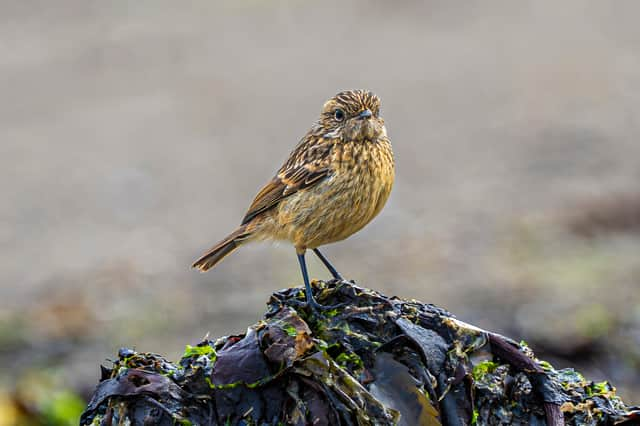
Here is a fledged youngster who shows good examples of “camofeathers.”
When these birds are adult there’s no mistaking who they are – but in this plumage it can be a tad trickier.
Fledgling birds face a perilous, high-mortality period when they first leave their nest – this results in more than 50 per cent don’t see the end of their first day.
As you’d expect here in the UK the most dangerous predator they face is the pet cat.
Especially for garden birds that have been raised in the garden where cats are present.
Australia has brought in legislation against Feral and Domestic Cat Threats.
They are easily the most efficient and widespread killers of native fauna.
Cats alone kill an estimated two billion animals in Australia every year!
Laws vary by state, but mandatory microchipping is common and desexing is mandatory for cats over six months in the ACT, Tasmania, South Australia, and Western Australia.
Then there are the other wild animals: birds of prey, stoats, weasels, foxes badgers etc.
Starvation is also high up on the danger list as they have been fed by the parent birds so finding food for themselves is no easy task.
Collisions with vehicles or windows is also an important factor.
Their flying skills are usually non-existent making them vulnerable if trying to escape a predator.
If you find a fledgling, the best course of action is to leave it alone.
I know this can be difficult and most people will want to help by taking it home.
As awkward as a fledgling bird may look, this is natural stage, and the parents are most likely nearby, searching for food and keeping watch.
If the bird is in immediate danger, you can put it in a nearby bush or tree.
Some believe that the parent bird will be able to smell human scent if you pick the bird up - they won’t.
Birds do not have a well-developed sense of smell and the parents won't know if a young bird has been touched by people and will not abandon their young.
I'm a fledgling stone chat of course.