
Wigan’s £45m heritage project shows how restoration can support local growth
How the multi-million-pound rebirth of Haigh Hall could generate an important boost to the area’s economy
Wigan’s £45m Haigh Hall restoration is more than a heritage project.

It is a reminder that restoring historic buildings can play a powerful role in local economic growth, community pride and long-term regeneration.
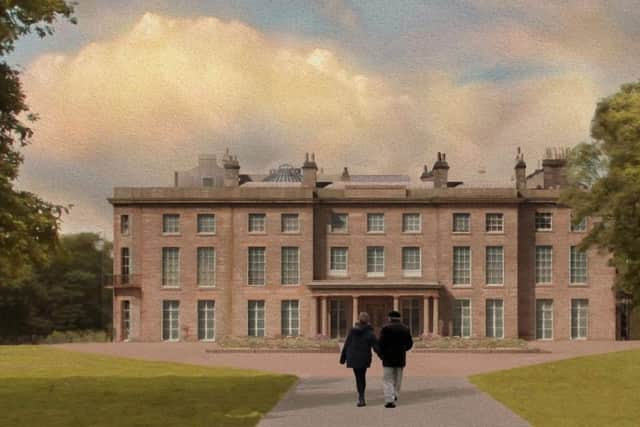
Haigh Hall has long been one of Wigan’s most recognisable landmarks.
Set within Haigh Woodland Park, the Grade II*-listed building is part of the borough’s history and identity.
But like many historic buildings, maintaining and modernising it is a major challenge.
Restoration is expensive, technically complex and often requires careful planning to balance preservation with new uses.
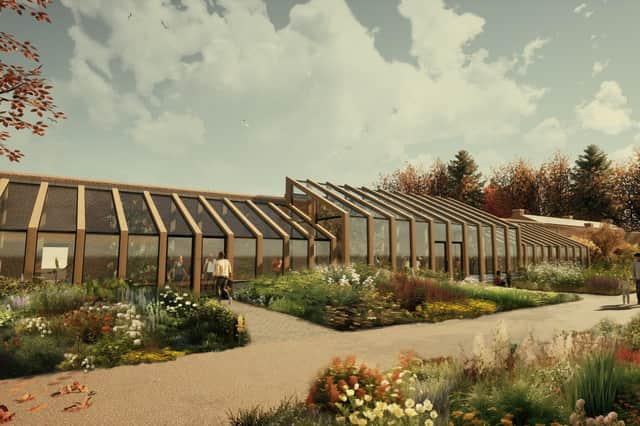
That is why the scale of the Haigh Hall project matters. The plans aim to transform the hall into a cultural, hospitality and visitor destination, with proposals including gallery space, education areas, events facilities, food and drink offers, accommodation and wider park improvements.
If delivered successfully, the project could help Wigan attract more visitors, support local jobs and create new opportunities for businesses across hospitality, construction, tourism and the creative economy.
Heritage-led regeneration works best when it does more than repair old buildings.
The aim should be to give historic assets a sustainable future.
That means creating spaces people want to use, visit and return to.
So far an extensive refurbishment of the building’s exterior has been completed and now work is set to begin on the interior, creating a “mixed-use cultural venue" including a new rooftop bar.
The work will create art galleries, an education suite, event spaces, a restaurant and café, retail space and office and 10 bedrooms, which will be used to support future use as a wedding venue.
A restored hall that hosts events, exhibitions, weddings, education programmes, dining and overnight stays can generate activity throughout the year.
For Wigan, that could bring wider benefits.
Visitors to Haigh Hall may also spend money in local cafés, pubs, shops, hotels, taxis and nearby attractions.
Events can bring footfall.
Cultural programming can support artists, suppliers and community groups. A high-quality destination can also improve perceptions of the borough as a place to live, work and invest.
The construction phase itself can also support the local economy.
Large restoration projects require skilled trades, specialist contractors, architects, surveyors, engineers, project managers, heritage experts and supply chains.
Where local firms are involved, more of that spending can remain in the area.
However, heritage restoration is rarely straightforward.
Older buildings can contain hidden issues, from structural problems and damp to outdated services, access challenges and conservation restrictions.
Costs can rise if unexpected problems are discovered once work begins.
That is why strong planning and delivery are essential.
Major schemes need clear budgets, realistic timelines, risk management and coordination between different teams.
Successful construction projects depend on managing resources, schedules, communication and costs effectively from start to finish.
For a project such as Haigh Hall, that matters even more because the building is not simply a blank canvas.
It is a protected heritage asset. Every decision has to consider the site’s history, public value and future use.
Restoration must respect the character of the building while making it suitable for modern visitors.
Accessibility will be especially important.
If public money and major investment are being used to restore a landmark, residents should feel the benefit.
That means thinking about transport, inclusive access, affordable community use and programming that appeals to different age groups and backgrounds.
The project also arrives at a time when town centres and visitor destinations are competing hard for attention.
People have more choice than ever about where they spend leisure time and money.
A restored Haigh Hall will need to offer more than a beautiful building; it will need a strong reason for people to visit.
That could be its biggest opportunity.
Wigan has a proud industrial, cultural and sporting identity, but heritage sites can help tell a broader story.
Haigh Hall can become a place where history, nature, culture and hospitality come together.
For local families, it could provide a better day out.
For schools, it could offer learning opportunities. For visitors, it could become part of a wider Wigan itinerary.
For businesses, it could create demand and partnerships.
For residents, it could strengthen pride in a landmark that has shaped local memory for generations.
There is also a sustainability argument.
Re-using and restoring existing buildings can often be more environmentally responsible than allowing them to deteriorate or replacing them entirely.
Heritage buildings contain embodied carbon from materials and construction already used. Giving them a new purpose can protect both history and resources.
Still, success will depend on long-term management.
Many heritage schemes look impressive when they reopen but struggle if running costs, maintenance, staffing and commercial income are not carefully planned.
A restoration project should not only answer the question of how to save a building, but how to keep it thriving for decades.
That means Haigh Hall must be treated as an economic and community asset, not just a one-off capital project.
Its future will rely on strong partnerships, good programming, reliable maintenance and a clear understanding of what residents and visitors want.
Wigan’s £45m heritage project shows that restoration can be a serious tool for local growth.
It can create jobs, support skills, attract visitors, improve public spaces and give old buildings a new role in modern life.
If Haigh Hall becomes a vibrant destination again, the benefits could stretch well beyond its walls.
It could help show how Wigan’s past can be used to support its future.