
Wigan could have almost 15,000 extra households by 2032 – as experts warn of a 'looming crisis'
There could be almost 15,000 extra households in Wigan by 2032, new figures suggest.
New analysis by the Office for National Statistics explores how the population of England could change over the coming years, with more older people living alone and fewer families with children.
The think tank Policy Exchange said Britain "is on the road towards greater social atomisation" and warned of a "looming demographic crisis".
A projection based on current trends and data from the 2021 Census suggests there could be 158,864 households in Wigan by 2032, an increase of 14,458 (10 per cent).
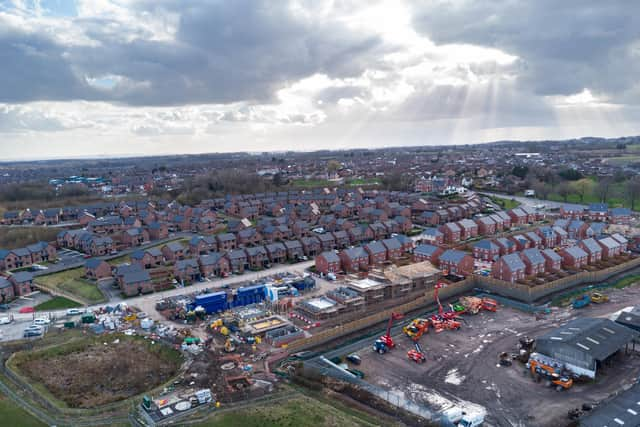

This was slightly less than the overall increase of 10.3 per cent across England over the same period, which would see the number of households rise from 23.5 million in 2022 to 25.9 million in 2032.
Ben Ramanauskas, senior research fellow in economics at Policy Exchange said England's existing housing stock "is already inadequate for the current population".
He added: "The overly restrictive planning system, Stamp Duty, and historically high levels of immigration have all led to our current housing crisis.
"This negatively impacts young people who wish to start or grow their families, older people who want to downsize, and also places a strain on the public finances."
The data also reveals the impact of England's shifting age demographics.
Age projections are based around a household reference person (HRP), defined as the eldest economically active person in the household or the eldest inactive person if there is no economically active person.
Nationally, total households with an HRP aged 85 years and over are projected to increase 42.3 per cent to 1.5 million in 2032. Of these, 280,000 (61.9 per cent) are projected to be living alone.
Meanwhile, the number of households containing children is projected to fall by 8.4 per cent over the same period, from 6.7 to 6.1 million.
In Wigan, the number of households with one child is forecast to fall by 8.2 per cent, those with two children could fall by 5.7 per cent, and those with three or more children could fall by five per cent.
Meanwhile, households made up of two or more adults could rise by 14.1 per cent, and the number of one-person households could rise by 19.7 per cent.
The ONS warned at the local level, household change is influenced by economic development and housing policies, factors that are not included in these projections.
Dr Rakib Ehsan, senior fellow at Policy Exchange, said: "Single-occupancy households will increasingly become the norm, which is likely to heighten feelings of loneliness and isolation among the elderly.
"Meanwhile, projected decreases in the proportion of households including children underscore the reality of declining birth rates and the looming demographic crisis.
"The breakdown in intergenerational cohesion and rise of individualistic lifestyle preferences will place considerable pressure on future housing availability in the UK."
The figures are not intended as a forecast of how many houses should be built but are a prediction of how things would change if current trends continued.
Mairi MacRae, director of policy and campaigns at Shelter, said investing in social housing was the solution to the housing crisis: "Only councils know the needs in their local area, so it is also important that they are proactive in planning for the homes that local people really need."