
Citizens Advice column: don’t panic during a power cut. Follow these life-saving tips
Power cuts can be sudden and stressful, particularly if electricity isn’t restored quickly.
Knowing who to contact and how to prepare can help you feel more in control.

If you lose power because of stormy weather or another unexpected issue, it’s your electricity network operator who is responsible for fixing it.
This is different from your electricity supplier, which is the company that sends your bills.
To report a power cut, you can call 105 — a free number that connects you directly to your local electricity network operator.
During storms, it’s usually electricity that’s affected.
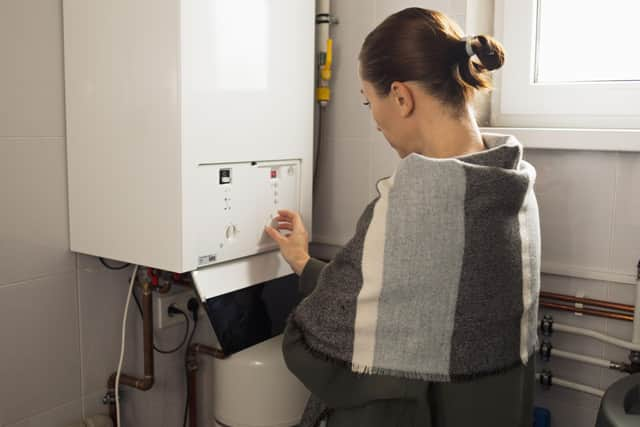
However, it can feel like your gas supply isn’t working because most gas boilers need electricity to operate.
Gas pipes are normally underground and less likely to be damaged by storms than overhead electricity cables.
If you smell gas or your carbon monoxide alarm goes off, turn off your boiler, leave the building, and call the National Gas Emergency Service on 0800 111 999.
If your home uses a heat network (also known as district heating), your heat supplier or landlord should contact you if there’s an outage.
If you haven’t heard from anyone, Citizens Advice Wigan Borough can offer specialist support for heat network issues.
You may be entitled to compensation if a power cut lasts longer than 24 hours.
Check the Citizens Advice website for details on what you could receive or contact us for energy help.
Some power cuts are planned, and you should be informed in advance if this applies to your area.
After an unexpected outage, power may take time to return.
Preparing in advance can make things much easier. Here are some steps you can take:
Staying warm: Power cuts often mean no central heating. Keep blankets and warm clothing available. If necessary, plan ahead to stay with friends or family, or check whether your local council has warm public spaces you can use.
Staying in touch: Charge mobile phones, tablets, and power banks when bad weather is forecast. If you don’t have battery-powered chargers, write down important phone numbers. In some cases, an analogue landline phone may still work without electricity.
Food and drink: Keep food at home that doesn’t need cooking, such as tinned fish, beans, or soup. If you need to feed a baby and can’t boil water, use ready-made formula instead.
Extra support: You may be able to join the Priority Services Register (PSR), which offers additional help during power cuts, including regular updates and access to a dedicated support line. You might be eligible if you’re disabled, pregnant, or have young children. Check the PSR website for full eligibility details and how to sign up.
For more help and advice about dealing with power cuts, visit the Citizens Advice website.
If you need energy advice including help understanding your energy bills, help to reduce your bill and how to make a complaint, get in touch to speak to an adviser.